


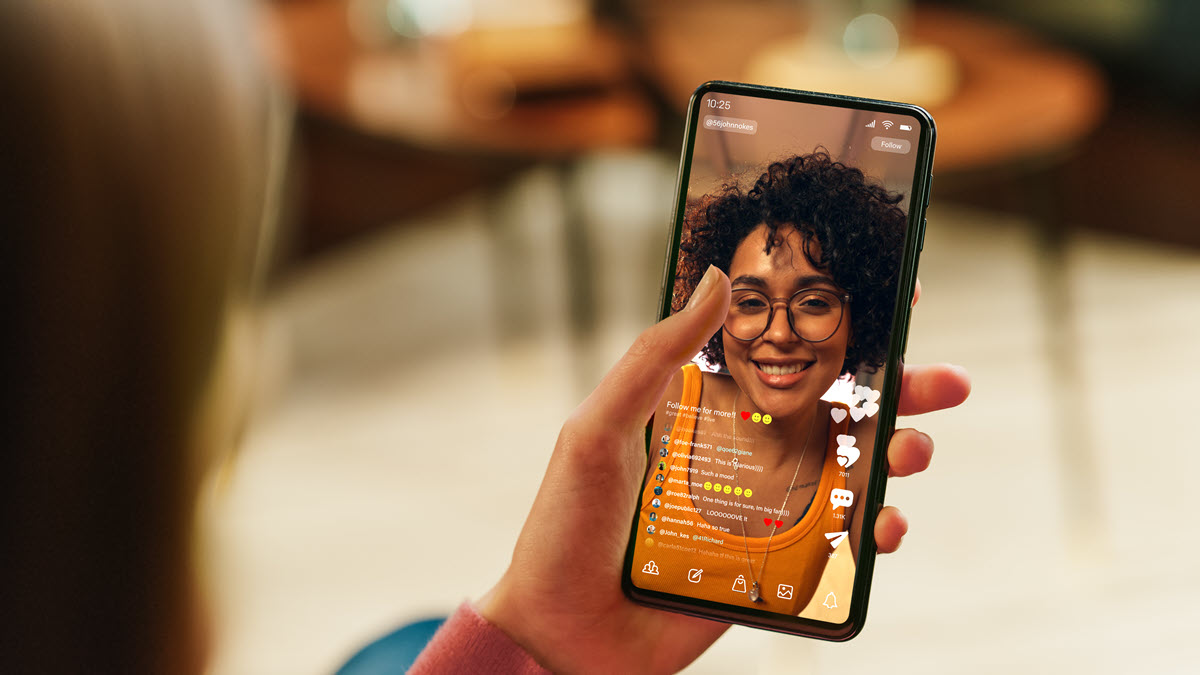
The global gaming audience is experiencing a rapid expansion and is estimated to reach around 3.4 billion active gamers by the end of 2026 if growth continues at its current rate. The largest number of gamers are concentrated in the Asia Pacific region, followed by Europe, and Latin America.
Gaming is very popular among females. They represent almost fifty percent of the global gaming audience spending more time online than their male counterparts. The increase in online gaming can be attributed to increased mobile first optimisation, a rise in cloud gaming, popularity of esports, and advancements in AR and VR.
As the number of customers increases, platforms are innovating and adapting within an extremely competitive gaming ecosystem that is one of the fastest growing economies globally and estimated to increase to five hundred billion dollars by 2030.
User Expectations for Modern Entertainment Platforms
Casino Days is a leading online gaming platform that understands that its customers no longer seek just simple gameplay; their sole focus is on their individual gaming experience. Entertainment has changed significantly over the past decade and the expectations of modern audiences have greatly influenced this transformation.
Nearly every entertainment category ranging from streaming services, digital interactive environments, and online gaming has been affected by the influx of smartphone users, mobile apps, and high speed internet and users that move between various forms of entertainment throughout the course of the day. These technological advances have drastically changed user expectations and digital entertainment providers have learned that they must rapidly adapt if they want to attract new customers and retain existing ones.
There are almost six billion smartphone users worldwide which has created an audience that is continually accessing entertainment such as music, online gaming, social media platforms, and podcasts on the morning commute, in between meetings, during breaks, waiting to pick up children on the school run, at the gym, and to relax at home.
Users expect online experiences that are easily accessible, convenient, secure, offer mobile first gaming with intuitive user interfaces, live gameplay, immersive and authentic experiences, that are instantly available regardless of where they are or what time of the day it is.
Real time interaction is another feature that users expect as they seek experiences that they can actively engage with and receive instant gratification and feedback every time they complete an action. Entertainment platforms are increasingly integrating features such as instant notifications, live chat, multiplayer functionalities, and personalised content that is delivered in real time to align with user expectations.
Modern platforms now are first focusing on creating mobile first optimised features before websites and now feature high definition streaming, cross platform access, secure mobile transactions and real time communication systems that can all be seamlessly accessed through smartphones and mobile devices and offer the same level of performance and quality as gaming on consoles and computers.
Mobile Gaming and Accessibility Trends
As smartphones and mobile devices continue to dominate online gaming, the importance of providing audiences with mobile games with convenient access is a top priority for developers. It is one of the key drivers of growth in the mobile gaming sector. Over the past several years there have been some groundbreaking innovations in the area of mobile accessibility which has democratised access to more diverse audiences including users with special needs.
Gaming developers are now prioritising mobile accessibility in the early stages of the development process with features that enable gamers with visual, auditory, cognitive, mobility, and other disabilities including short term ones to have equal access to gaming and other online activities. There are several elements that help offer users seamless experiences:
Adjustable game speed helps players with physical and cognitive abilities to play games at a pace that they can understand and enjoy. Subtitles and readable text aids individuals that have poor vision or auditory difficulties to understand game dialogue.
For colourblind users the activation of colourblind mode enhances their gaming experience so that they can fully enjoy it.
Players with limited mobility or dexterity can active auto-aim, auto-run, and aim assist and customisable controls where buttons can be moved to positions that are easier to access as well as touch sensitivity so that gamers can fully enjoy their entertainment experience.
Increased mobile accessibility has greatly improved the lives of individuals that would otherwise be unable to engage in fun activities such as online gaming. Mobile gaming fosters learning, provides individuals with opportunities to meet new people, creates a feeling of accomplishment which is beneficial in maintaining mental health and increasing self esteem.
Security and Trusted Payment Systems
The internet is the new universe where individuals complete daily tasks such as shopping for products and services, travel, study, and banking. It is also a dynamic hub for enjoying leisure activities such as virtual concerts, online gaming, streaming, and many other forms of entertainment. The number of online users is rapidly rising and so are the databases that contain the sensitive information and personal details of every online user. These vast masses of information have become the perfect target for cybercriminals who are becoming increasingly clever as they try to find new ways to steal identities and financial details from unsuspecting victims.
Unfortunately fraud is one the rise and platforms and customers must work together to ensure that the internet remains safe and enjoyable for everyone. A recent survey indicated that online users prioritise platform safety over the services or products that a platform offers and platforms that prioritise user security. Gone are the days of randomly clicking on a digital entertainment platform. Now users are taking time to research entertainment providers in order to find the ones that have a reliable track record of security and performance.
Trusted payment systems and robust online security systems greatly reduce the potential for fraud or data breaches and platforms that can demonstrate their operational transparency will attract and retain customers who want to enjoy online experiences without worrying about their digital security.
Trust payment systems use encryption such as SSL or TLS, two factor and multifactor authentication, and tokenisation which ensures that all information travels safely between the platform and payment provider and also prevents unauthorised transactions. Trusted platforms continually monitor online activities to detect and prevent fraud and regularly update their software to protect the platform and its users from malware, phishing, and email scams.
Customers must also be savvy and ensure that they use long passwords that are a combination of unique symbols, letters, and numbers and only use them once. Only platforms that have padlock are secure and users should also understand that platforms will never contact them by email to ask for sensitive personal or financial information. Customers should never click on suspicious links and if in doubt contact the customer service of the platform that “supposedly” sent the email to verify its authenticity.
Emerging Opportunities in Digital Entertainment
Digital entertainment is being transformed through the use of innovative cutting edge technologies constantly evolving user expectations. Hybrid monetization strategies are combining SVOD (subscription video on demand), AVOD (Ad-supported video on demand), FAST (free ad supported television) offering commercial opportunities which after years of subscription based content, commerce and media are regaining the spotlight.
Consumers seek personalised experiences that are niche and immersive in shared digital spaces that are a combination of social, streaming, and gaming. These one stop platforms perfectly fit into hectic schedules and align with short attention spans where users enjoy short bursts of entertainment throughout the day.
Individual content creation and cloud gaming are creating lower entry barriers for audiences and creators making experiences available to a broader spectrum of users. AI will continue to create hyper personalised experiences, while VR and AR are creating realistic immersive authentic universes where audiences can enter into and interact with content making passive viewing a thing of the past.
