


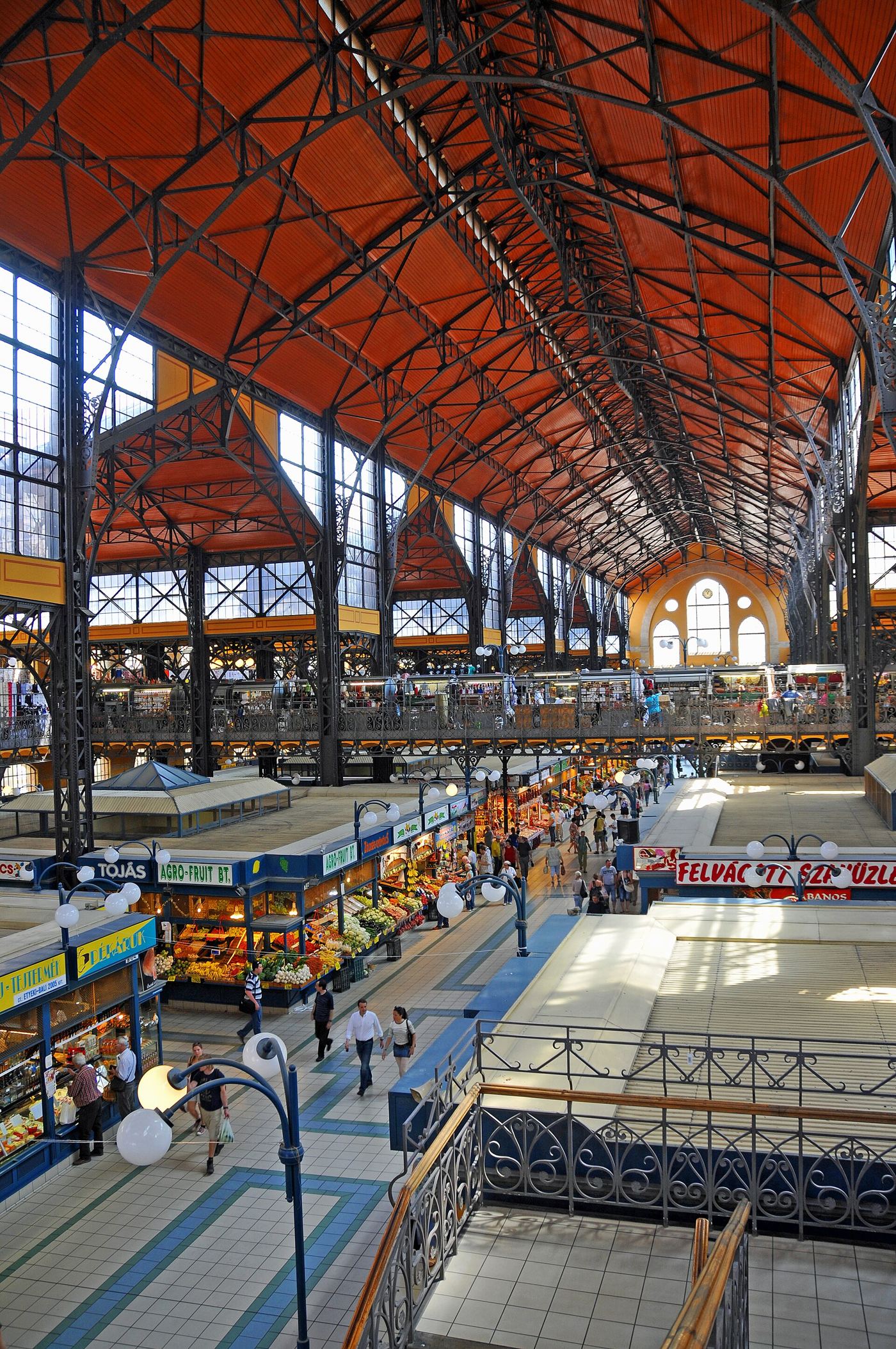
Market stalls are giving households an early warning system for food prices long before official inflation figures arrive. Traders in indoor markets see wholesale costs, shrinking pack sizes and changing customer habits in real time: shoppers switching to seasonal vegetables, buying smaller quantities more often and trading down on meat and cheese. Economists increasingly interview stallholders alongside reviewing scanner data, because markets reveal how families actually adapt when budgets tighten. The picture is nuanced, with some fresh prices easing while cooking oil, dairy and imported fruit remain stubbornly expensive for many shoppers.
What the Evidence Shows
Stallholders say loyalty schemes, end of day discounts and honest advice about cheaper substitutes help retain customers who might otherwise drift to discount supermarkets. Councils that invest in clean, affordable market halls protect both small traders and access to fresh food in town centres. For policymakers, the lesson is to watch lived prices, not only averages: a headline inflation fall means little if the specific basket poorer households buy keeps rising. Markets, noisy and imperfect, remain one of the clearest places to hear how food costs really feel. Reporting and analysis from sources such as Financial Times track the same developments, and specialists following stalls reveal lived food prices say the direction is now consistent across independent lines of evidence.
The Wider Context
The wider context is a financial system repricing risk after a long era of cheap money. Decisions shaped by stalls reveal lived food prices are being made under closer supervisory attention, with stress tests and disclosure rules that assume conditions can worsen quickly. Institutions that planned for the benign case are adjusting in public, which is uncomfortable and healthy in equal measure.
What Happens Next
What happens next with stalls reveal lived food prices will be visible first in the data that professionals watch weekly: flows, spreads and the terms on new deals. Participants who spoke for this article expect a period of adjustment rather than drama, with the biggest effects landing on those who assumed the old conditions were permanent. Planning, as ever, is the cheapest hedge. You can follow related developments in our coverage of finance.
None of this will be settled by a single announcement, study or product launch. The pattern to watch is accumulation: independent confirmations, honest reporting of failures and steady improvement in the underlying numbers. Readers who follow those signals, rather than the loudest claim of the week, will understand this subject better than most of the commentary surrounding it suggests is possible.
There is a practical lesson in all of this for readers deciding what to do today. Start with the verified facts, be wary of anyone promising certainty, and prefer reversible steps while the evidence is still developing. Circumstances differ by country, income and personal situation, so general guidance should always be weighed against your own context before you act on it in any significant or lasting way.
