


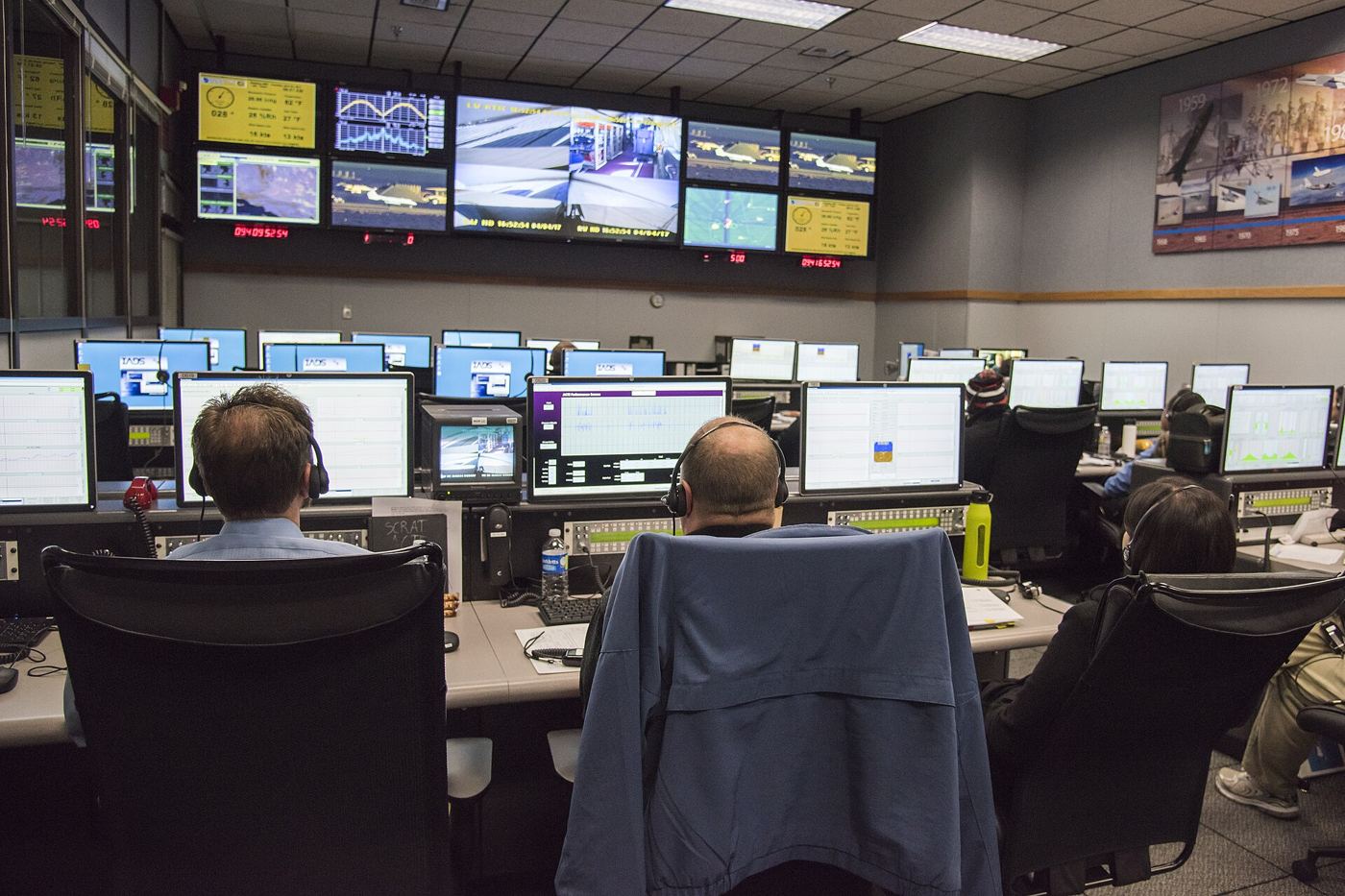
Large crypto mining pools are increasingly locating their machines in regions where renewable electricity is sometimes produced in greater quantities than the local grid can use. Wind and solar generation does not follow demand neatly: on a windy night or a bright, mild afternoon, farms may generate more power than nearby homes and businesses need, and operators are sometimes paid to switch off or forced to waste the surplus. Mining computers, which can start and stop within minutes and care little about time of day, offer grid managers a flexible customer for that otherwise stranded energy. Supporters argue that this demand can improve the economics of new renewable projects, giving developers a buyer for output that would otherwise earn nothing. Critics reply that mining still consumes large amounts of electricity overall and that flexible demand should serve other purposes first, such as heating, storage or industry. Local outcomes vary widely, which is why researchers increasingly judge projects case by case, looking at whether the power genuinely was surplus, what the machines displace and how the arrangement behaves when the grid is short rather than long. Transparency about energy sources has become a competitive issue between pools competing for institutional customers.
What the Evidence Shows
Grid specialists say the strongest arrangements include firm agreements to curtail mining instantly when the network needs the power back, turning the operation into a kind of demand reserve rather than a constant drain. Some sites pair mining with battery storage or locate beside hydroelectric stations whose output varies seasonally, adjusting capacity through the year. Communities near proposed sites understandably ask about jobs, noise, water use for cooling and what remains when a mining company leaves, and responsible operators answer with binding commitments rather than promotional claims. Reporting standards are improving, with pools publishing the share of their electricity from renewable sources and the hours they curtailed during grid stress. Sceptics note that claims are only meaningful when verified against meter data rather than certificates bought at a distance. The debate is unlikely to end soon, because it touches wider questions about how societies allocate clean energy as demand grows. What is changing is the quality of the argument: away from slogans on both sides and towards evidence about specific grids, specific hours and specific contracts, which is where the real environmental judgement about any large electricity user has always belonged. Reporting and analysis from sources such as European Central Bank track the same developments, and specialists following mining pools and surplus renewable energy say the direction is now consistent across independent lines of evidence.
The Wider Context
The wider context is a sector being absorbed, piece by piece, into the regulated financial mainstream. Work on mining pools and surplus renewable energy now happens under licensing regimes, audit expectations and consumer-protection rules that would have been unrecognisable a few years ago. Long-standing participants are divided between relief at the legitimacy and regret for the experiment’s wilder freedoms.
What Happens Next
What happens next for mining pools and surplus renewable energy will be shaped by the interaction of regulation, market appetite and the sector’s own capacity for self-inflicted wounds. The infrastructure is more professional than it was, the rules are clearer, and the remaining question is whether growth can stay boring. Participants with the longest memories say boring would be the real milestone. You can follow related developments in our coverage of crypto.
None of this will be settled by a single announcement, study or product launch. The pattern to watch is accumulation: independent confirmations, honest reporting of failures and steady improvement in the underlying numbers. Readers who follow those signals, rather than the loudest claim of the week, will understand this subject better than most of the commentary surrounding it suggests is possible.
