


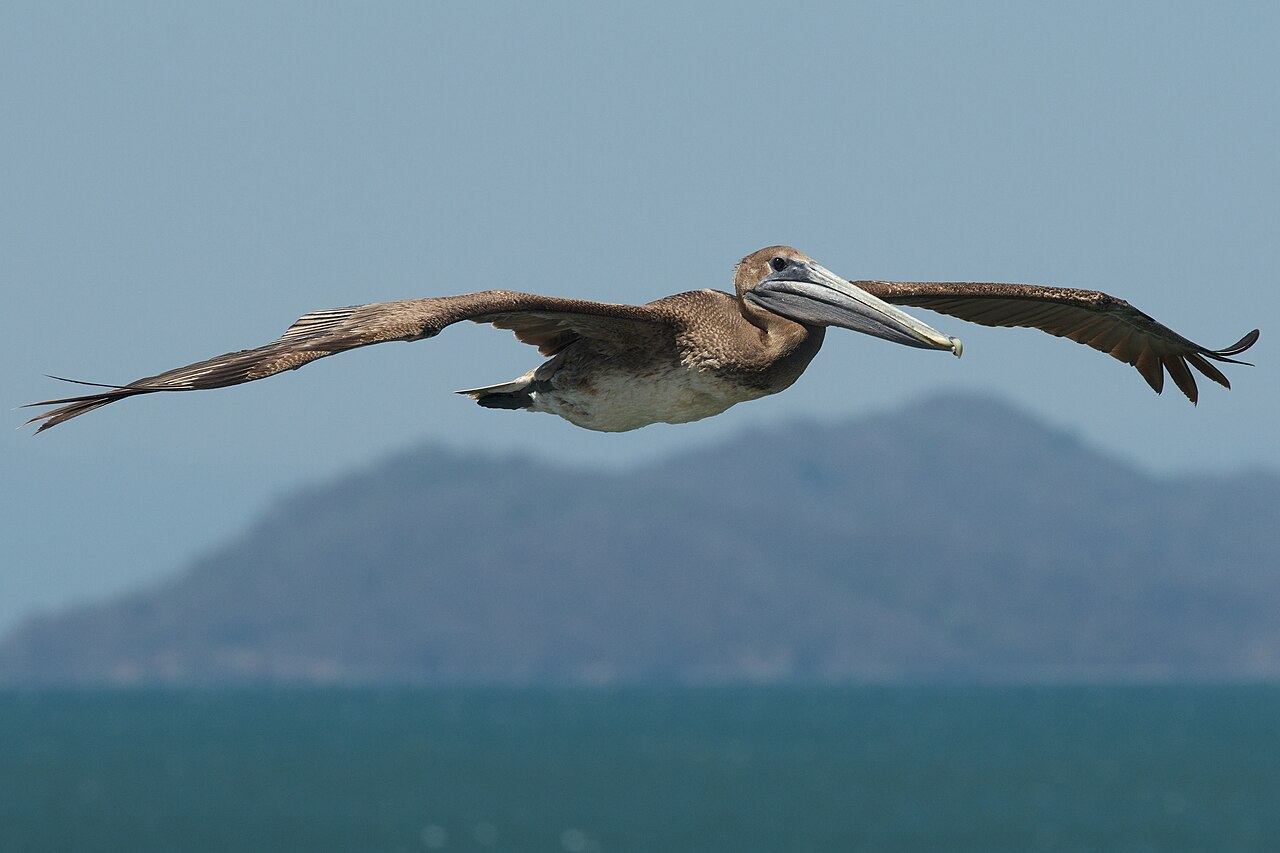
A new study of the Gulf of Mexico has delivered a sobering verdict: marine life in the region declined dramatically in the years following the BP oil spill, and many of the ecosystems affected by the 2010 disaster have not returned to their earlier health. For coastal communities that depend on these waters for food, work and identity, the findings confirm what fishermen and scientists have suspected for years — that the spill’s damage did not end when the well was capped.
A Disaster Whose Effects Refused to Fade
When the Deepwater Horizon rig exploded in April 2010, it released millions of barrels of oil into the Gulf over nearly three months, in what became the largest marine oil spill in history. Beaches were oiled, fisheries were closed and images of pelicans coated in crude circled the world. The well was eventually sealed, the surface slicks dispersed, and public attention moved on. But according to the new research, the living systems beneath the surface kept deteriorating long after the cameras left.
Researchers tracking populations across the Gulf found steep declines in a range of marine species in the years after the spill. The pattern matters because it challenges a comforting assumption: that the ocean, given time, simply absorbs a shock of this scale and returns to normal. Instead, the study suggests a slower, quieter kind of damage — one measured in missing generations of fish, weakened food webs and habitats that recover on timescales far longer than a news cycle.
What the Study Found Beneath the Surface
The decline was not confined to a single species or shoreline. Oyster beds, which filter water and provide habitat for dozens of other organisms, suffered heavily in estuaries where oil and the freshwater diversions used to fight it disrupted the delicate balance of salinity oysters need. Marsh grasses that anchor Louisiana’s coastline were damaged at their roots, accelerating erosion in a region that already loses land at an alarming rate.
Food webs under strain
Small organisms sit at the base of the Gulf’s food web, and harm at that level travels upward. Plankton and larval fish exposed to oil compounds can suffer heart defects and developmental problems, reducing the number that survive to adulthood. Dolphins in heavily oiled bays have shown elevated rates of lung and adrenal disease in long-running health assessments, and sea turtles and shorebirds have faced nesting and feeding disruptions. Background on the spill’s long ecological shadow is maintained by agencies such as NOAA, which continues to coordinate restoration science across the Gulf states.
Scientists caution that the Gulf faces many stresses at once — warming water, nutrient pollution flowing down the Mississippi River, coastal development and ordinary fishing pressure among them. Untangling the spill’s specific share of the decline is painstaking work. But the timing and geography of the steepest losses, concentrated where oil came ashore or sank, point firmly back to 2010.
Why Recovery Is Taking So Long
Some of the oil did not disappear; it settled. Residues buried in sediments can be stirred up by storms and re-expose bottom-dwelling animals years later. Deep-water habitats, where cold temperatures slow the microbes that break oil down, may need decades to recover — a timescale researchers are only beginning to document. Marsh, once its root mat dies, can wash away entirely, converting sheltered nursery habitat into open water that no longer shelters young shrimp, crabs and fish.
There is also a generational arithmetic to the damage. Species that reproduce slowly, such as dolphins and some sea turtles, cannot quickly replace lost adults. A bad year class of fish echoes through the population for seasons. Recovery, in other words, is not a single event but a long sequence of ordinary years going right — and the study suggests that, for many Gulf species, those years have not yet arrived in sufficient number.
The Human Coast That Depends on It
The Gulf’s ecology is also its economy. Commercial and recreational fishing support tens of thousands of jobs from Texas to Florida, and Gulf seafood is a cultural cornerstone — shrimp boils, oyster houses and fishing festivals are woven into the region’s life. When oyster harvests shrink or a fishing season disappoints, the loss registers in dockside prices, restaurant menus and family incomes. Readers following this story can keep up with coverage on latestroyalnews.com as restoration work continues.
Tribal and coastal communities have repeatedly told researchers and officials that the spill changed their relationship with the water itself: where to fish, what is safe to eat, and whether the catch their grandparents relied on will be there for their grandchildren. Those questions give the new study a weight beyond its charts. It is, in part, a progress report on promises made in the spill’s aftermath — that the Gulf would be made whole.
Restoration Money, Slow Results
The legal settlement that followed the spill directed billions of dollars toward Gulf restoration, funding marsh creation, oyster reef rebuilding, barrier island repair and water-quality projects across five states. Fisheries science is tracked by NOAA Fisheries, whose assessments help managers decide where restoration money does the most good. Many of these projects are genuinely large undertakings, and some are showing early success — rebuilt marsh platforms are holding, and planted oyster reefs are attracting life.
Yet the study’s findings underline the gap between project-level wins and ecosystem-level recovery. Restoration can rebuild a reef; it cannot quickly rebuild a food web, or speed up a dolphin generation. Scientists involved in long-term Gulf monitoring argue that the funding horizon — roughly two decades of settlement money — needs to be matched by monitoring just as long, so that failing approaches can be corrected rather than simply repeated.
What researchers want to see next
Among the priorities scientists cite are continued population surveys that use consistent methods, so trends cannot hide inside changing measurement; better tracking of oil residues in sediments; and protection for the habitats that are recovering, so progress is not undone by new pressures. There is also a push to involve working fishermen systematically in data collection, since their daily observations often flag changes years before formal surveys confirm them.
A Wider Lesson for the Next Spill
The Gulf study lands at a moment when offshore drilling continues and the question is not whether another major spill can happen, but how prepared regulators and industry are for its long tail. Response plans tend to focus on the visible emergency — booms, skimmers and dispersants in the first frantic weeks. This research argues for planning, funding and liability frameworks that assume damage will unfold over decades, and that price that assumption in from the start.
For the Gulf itself, the message is neither hopeless nor reassuring. Some species and places are recovering; many, on this evidence, are not yet. The difference between those two futures will be decided by the unglamorous work of monitoring, restoration and restraint over the coming years — and by whether the region’s famous resilience is given the time it actually needs.
