


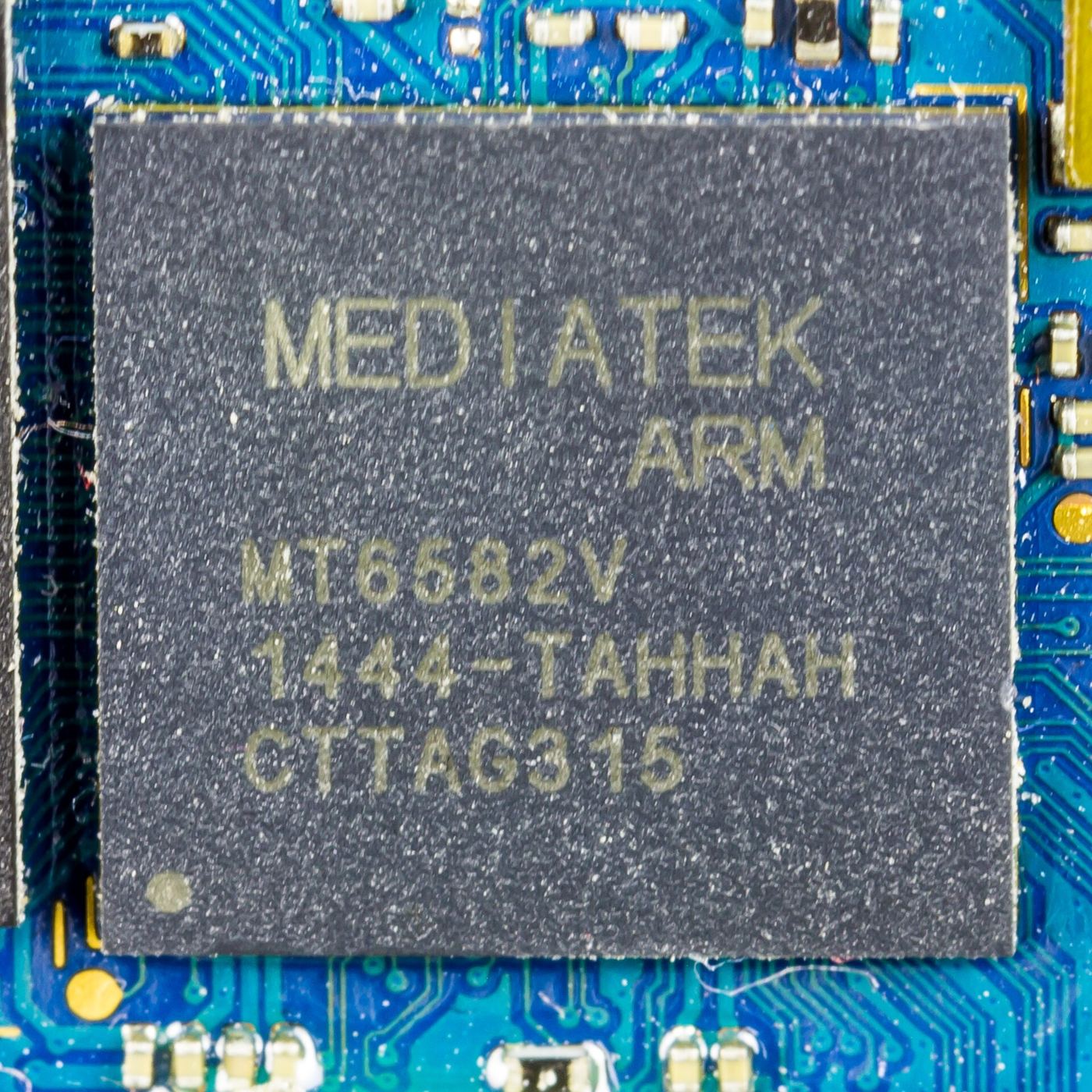
A growing share of phone intelligence now runs directly on the handset instead of travelling to a distant server for every request. New processors include dedicated accelerators that can translate a conversation, summarise a long message thread, clean up a voice note or suggest replies while the phone is offline or on a weak connection. The advantages are practical. Responses arrive faster, personal content stays on the device, and features keep working on a train, in a rural area or during a network outage. Manufacturers are shrinking capable models so they fit within phone memory and battery limits, often handling routine tasks locally and reserving larger cloud models for unusually complex questions, with clear indicators when that happens. For travellers, live translation that works without roaming data removes a familiar stress, while students and workers value summaries that do not require uploading private documents. Limits are real, because a phone cannot match a data centre for the hardest problems and heavy local processing can warm a device and drain its battery. Even so, the direction is clear, with everyday assistance becoming faster, more private and less dependent on constant connectivity than the first generation of cloud-only tools.
What the Evidence Shows
Developers are redesigning apps around this split between local and cloud processing. Photo search, keyboard prediction and voice transcription are natural local tasks, while research questions that need fresh information still benefit from online models. Clear labelling helps users understand where their data went, and settings that keep sensitive categories on the device are becoming a selling point. Battery management is improving through scheduling, with phones deferring heavier jobs until they are charging or connected to Wi-Fi. Chip designers, meanwhile, compete on efficiency as much as raw speed, since a feature that exhausts the battery by midday will simply be switched off. Over time, capable on-device models could also lower running costs for services and reduce pressure on data centres, making private, responsive assistance the normal experience rather than a premium extra. Retailers say buyers increasingly ask whether translation and transcription work in flight mode during demonstrations, a simple test that shows how quickly expectations have shifted from novelty features towards dependable everyday privacy. Reporting and analysis from sources such as IEEE Spectrum track the same developments, and specialists following on-device AI phone features say the direction is now consistent across independent lines of evidence.
The Wider Context
Adoption of on-device AI phone features follows a familiar pattern with an unfamiliar speed. Early users tolerate rough edges in exchange for advantage, mainstream users arrive when the tool disappears into existing workflows, and the market consolidates around whoever made that transition feel effortless. Vendors are racing less on raw performance now than on integration, support and trust.
What Happens Next
The realistic forecast for on-device AI phone features is steady integration rather than sudden replacement: embedded in products people already use, improving in increments, and regulated in proportion to its reach. The companies and institutions that plan on that basis, training staff and redesigning processes instead of chasing launches, are the ones the adoption data tends to vindicate. You can follow related developments in our coverage of technology.
It is also worth remembering how quickly the picture in this area has changed before. Positions that looked settled a few years ago have been revised as new data arrived, and the same humility is appropriate now. The strongest coverage of this subject, and the most useful advice, tends to come from sources that update their views openly when the facts move, rather than defending an earlier position long after it has stopped fitting the evidence available.
