


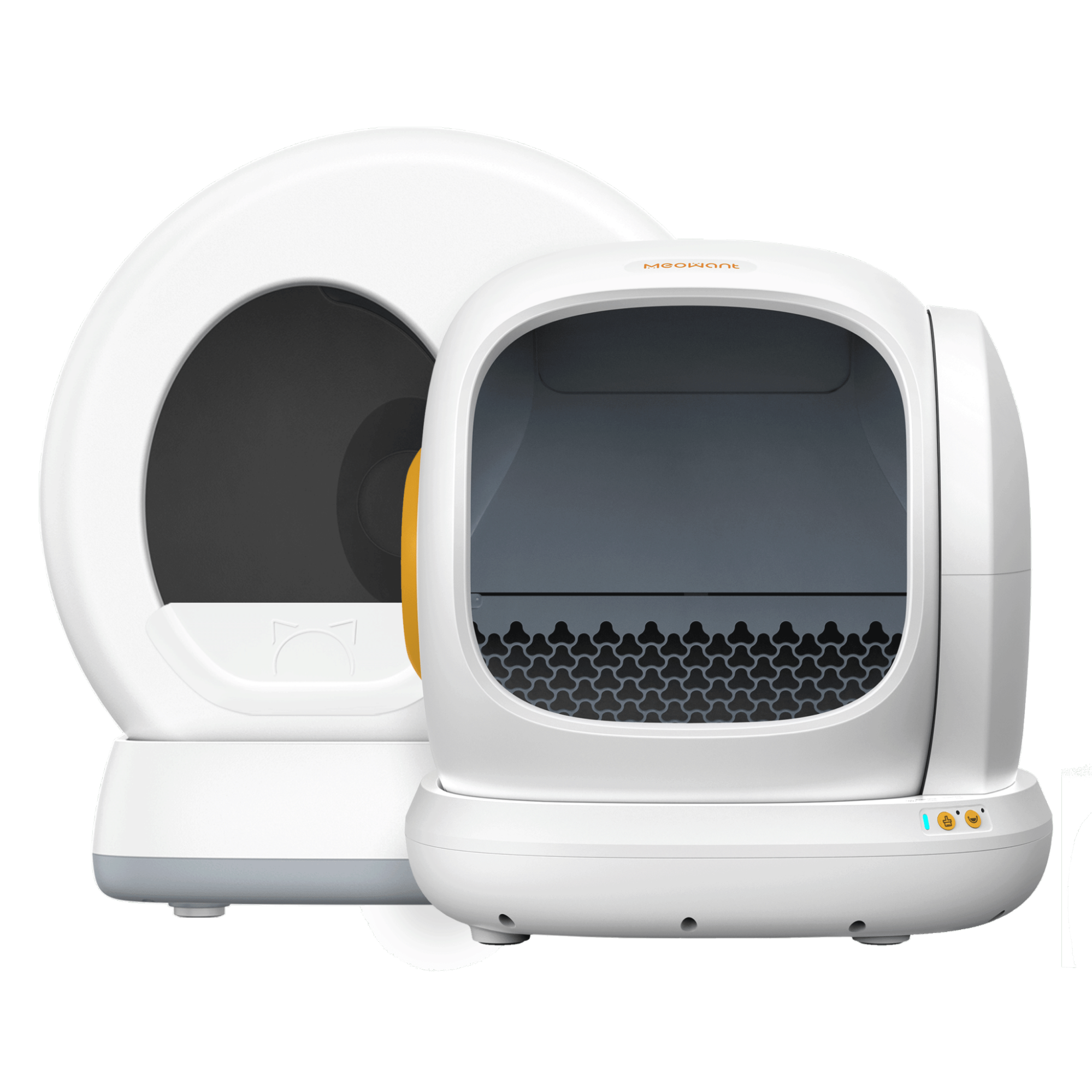
There is a particular kind of frustration reserved for a machine that works perfectly for six weeks and then freezes halfway through a rotation with a cat watching from the doorway. Most people assume the motor has failed. Usually it has not. The majority of self-cleaning failures are interruptions rather than breakdowns, and they share a short list of causes that a careful owner can diagnose in an afternoon without tools.
Understanding those causes is worth the effort for two reasons. First, many interruptions are caused by the environment the box sits in, not the box itself, so they will recur until the setup changes. Second, knowing how the machine is supposed to behave makes real faults obvious. This guide walks through what a healthy cycle looks like, what the common stall points mean, and how to build a maintenance rhythm that keeps the unit out of trouble.
What a Healthy Cycle Looks Like
A self cleaning litter box performs the same sequence on every run, even if the mechanism is a rotating drum rather than a raking arm. The sensors confirm the interior is clear, the drum turns far enough to sift clumps into the waste chamber, the litter bed is releveled, and the drum parks in its home position. The whole sequence typically takes one to three minutes, depending on the delay setting and model.
Watch two or three cycles before you diagnose anything. Note where the drum stops, whether an error light appears, and whether the stop is consistent. A box that freezes at exactly the same angle every time is telling you something quite different from one that stops at random. That single observation narrows the cause list more than any manual chapter.
The park position and why it matters
Every unit has a home position where the opening faces the entry and the mechanism rests. If the drum stops anywhere else and stays there, the machine has lost its reference point. This usually happens after a power dip, a manual intervention, or a hard reset that was interrupted. Most units recalibrate when you power them off, wait, and power them back on. If the same stall returns, the reference sensor may be dirty or obstructed, which is a maintenance issue, not a mechanical failure.
The Five Most Common Causes of a Stalled Cycle
Start with the simplest explanation and work outward. Almost every interruption falls into one of these categories, listed roughly in order of how often they occur.
- A sensor fault caused by litter dust on a lens or weight plate
- A cat that entered and left too quickly for the sensor to register a complete visit
- Overfilled litter that spills onto the gear or drags against the drum wall
- A drawer that is full or not seated far enough in to trigger its switch
- A power supply interruption, including a loose adapter or an overloaded outlet strip
Notice that four of those five are setup problems. That is the useful insight: most stalls are the machine protecting itself from a condition you can correct.
Sensor faults and how to clean them without damage
Litter dust settles on infrared windows and weight plates faster than most owners expect. Power the unit off, wipe the sensor windows with a dry microfiber cloth, and check the plate area for packed clay. Never use a wet wipe on sensor windows; residue clouds them and causes repeat faults. If the unit uses a weight plate under the base, confirm nothing has slid underneath it and that the floor is level. A box resting on a slight slope will read inconsistent weights and refuse to cycle.
The rapid-visit phantom
Some cats step in, sniff, and step out in less than a second. The exit sensor may not register a full entry-and-exit pair, so the machine waits indefinitely or aborts the cycle. The fix is usually a longer entry delay or a repositioned sensor mode, both of which appear in the manual’s settings section. If your cat habitually bolts, a lower entry step often makes the visit long enough to register.
The Maintenance Rhythm That Prevents Repeat Stalls
Machines do not fail on a schedule, but they do respond well to one. A short weekly routine and a longer monthly routine cover almost everything that causes interruptions.
Weekly, in under five minutes
Empty the waste drawer, wipe the drum walls where clumps have stuck, and check the litter line. Overfilling is the single most common mistake in automated boxes; a bed that is too deep spills during rotation and jams the mechanism. Follow the unit’s marked fill line, which is lower than the rim for a reason. Check that the drawer closes with a firm click, and confirm the bag is not caught in the seal.
Monthly, and the deep clean
Remove the drum or rake assembly according to the manual, wash the removable parts with mild soap, and let everything dry completely before reassembly. Damp litter sets like cement and will seize a rake within a week. Inspect the carbon filter and replace it per the schedule; a saturated filter does not just allow odor through, it changes airflow inside the chamber and can confuse air-based sensors. While the parts are out, run a finger along the seams where the drum meets the base and clear any buildup.
When to Reset, and When to Call Support
A reset clears the machine’s memory of the last cycle and returns the drum to its reference position. Most manuals describe a physical sequence: power off, unplug, wait about thirty seconds, replug, and hold the reset button until the indicator pattern changes. Do this once for any unexplained stall, then observe the next two cycles. If the stall recurs at the same point, stop resetting; repeated resets on a genuine mechanical problem just add cycles of wear.
Call support when the drum scores, the motor clicks without moving, the unit stalls in the same place after a clean and a reset, or an error code persists with a freshly emptied drawer. Brands that document their error codes clearly make this step easier, and Meowant publishes its troubleshooting information alongside the product specifications, which is useful when you are deciding whether an issue is user-correctable. Photograph the error indicator before you call; support teams resolve issues faster when they can see the exact state.
What warranty covers and what it does not
Warranties typically cover motors, boards, and structural failure, and typically exclude damage from overfilling, liquid ingress, or third-party litter that clumps like concrete. Keep your purchase record and the original packaging for the return window. If the unit is within warranty and a stall looks mechanical, contact support before you disassemble anything; opening the housing often voids coverage, and a technician may prefer to send a replacement part.
The Habits That Make the Machine Last
The owners who report the fewest problems tend to do three things consistently. They empty the drawer before it alerts, not after; they keep the litter at the fill line rather than topping it up whenever they think of it; and they perform the monthly clean on a calendar reminder instead of waiting for a symptom. None of these habits is difficult, and together they prevent the great majority of stalls.
The fourth habit is patience with a new cat. A machine that stops because a curious kitten is exploring is working exactly as designed. Give new cats a week to adjust, keep the unit on a gentle setting, and resist the urge to intervene during cycles. Human hands in a moving drum teach the machine nothing useful and teach the cat that the box is unpredictable.
Most Stalls Are Messages, Not Malfunctions
A litter box that stops mid-cycle is usually reporting a condition rather than announcing a breakdown. Dust on a sensor, litter past the fill line, a drawer not quite seated, a power supply that wobbles when the drum moves: these are the ordinary reasons a self-cleaning unit halts, and each one has a simple correction. The discipline is to observe before you intervene, and to fix the environment before you assume the machine is at fault.
Build the weekly five-minute check and the monthly deep clean into your routine, keep the litter at the marked line, and let resets be a diagnostic tool rather than a reflex. Do that and the box will spend its life doing what you bought it for, while you spend your attention on the cat.
