


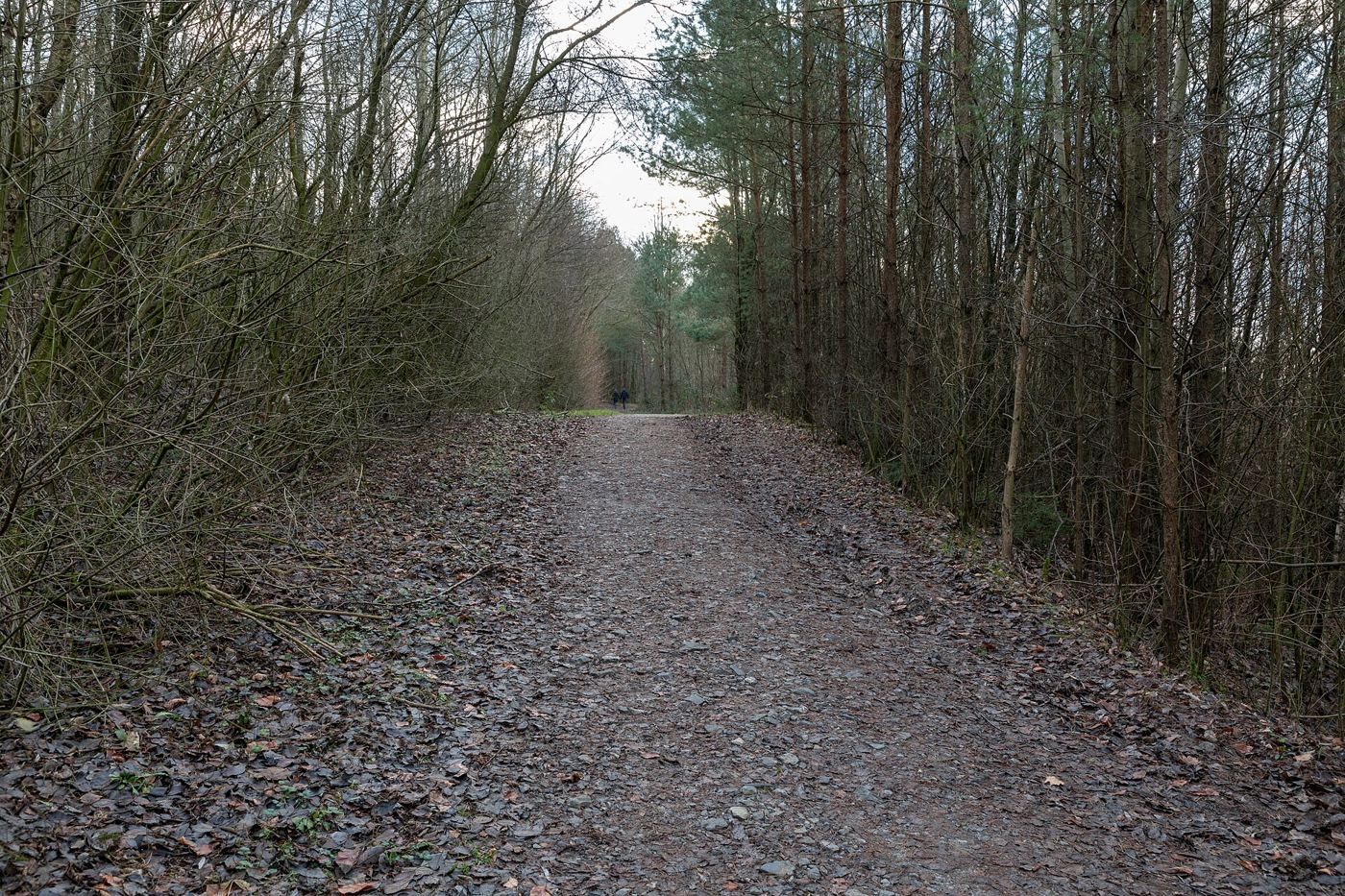
Attention restoration theory explains why a walk among trees can leave a tired mind feeling fresh again. Psychologists Rachel and Stephen Kaplan proposed the theory in 1989, arguing that the focused attention we use for work, study and driving is a limited resource that becomes fatigued, leaving us distractible, irritable and prone to mistakes. Nature, they argued, restores it, because natural scenes engage a gentler kind of attention they called soft fascination: clouds, leaves and moving water hold the eye without demanding effort. A well-known 2008 study by Marc Berman and colleagues found that a walk in a park improved performance on attention and memory tests, while a walk along a busy city street did not, even though both groups exercised for the same length of time. The researchers controlled for exercise by comparing the park walk with a walk of the same length and pace along busy streets, isolating the effect of the environment itself.
What the Evidence Shows
The Kaplans identified four ingredients of a restorative environment: being away from everyday demands, a sense of extent or immersion, fascination, and compatibility with what the person wants to do. A large wilderness is ideal, but the research suggests that smaller doses help too: a view of trees from a window, a lunchtime walk in a park, or even a few minutes among plants can reduce mental fatigue. The theory has influenced the design of offices, hospitals and schools, where windows, courtyards and indoor plants are now treated as tools for concentration rather than decoration. The practical lesson is simple: when focus fails, the answer is not always to try harder, but to step away and let the mind rest in a place that asks nothing of it. Even hospital patients with a view of trees have been found to recover faster than those facing a brick wall, a result that helped bring nature into healthcare design. Reporting and analysis from sources such as Nature Human Behaviour track the same developments, and specialists following attention restoration theory say the direction is now consistent across independent lines of evidence.
The Wider Context
The wider context is a discipline rebuilding confidence through replication and pre-registration, and findings on attention restoration theory are being reported with their effect sizes and limits attached. That honesty can make results sound smaller than the headlines of a decade ago, but the effects that survive are the ones practitioners can responsibly build on.
What Happens Next
What happens next in research on attention restoration theory is a turn toward real-world trials: longer, larger and conducted in the schools, workplaces and clinics where the findings are meant to apply. Psychologists are also studying individual differences more seriously, because average effects conceal the people for whom an approach works powerfully and those it leaves cold. Both shifts make the science slower and more useful. You can follow related developments in our coverage of psychology.
None of this will be settled by a single announcement, study or product launch. The pattern to watch is accumulation: independent confirmations, honest reporting of failures and steady improvement in the underlying numbers. Readers who follow those signals, rather than the loudest claim of the week, will understand this subject better than most of the commentary surrounding it suggests is possible.
