


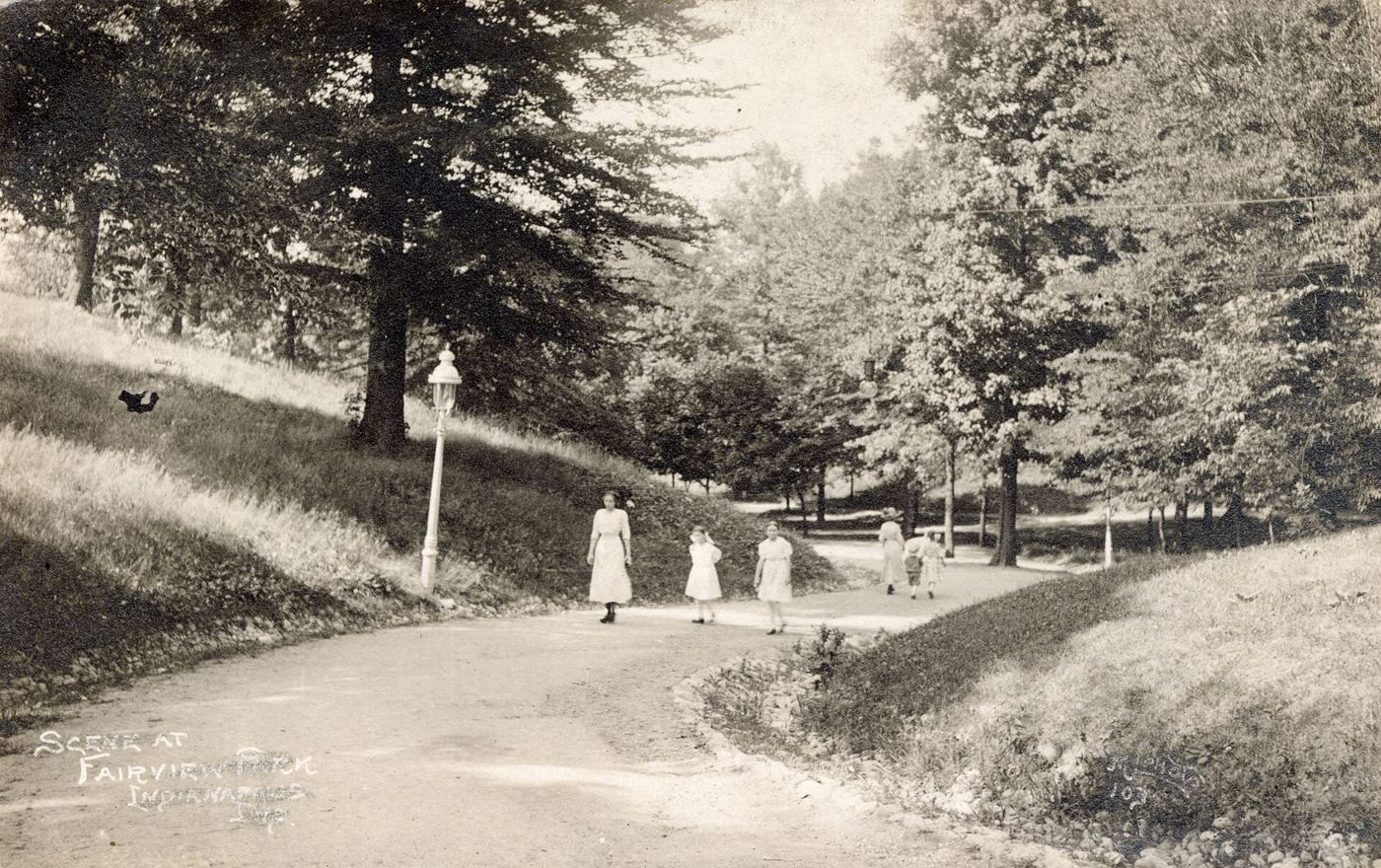
Walking with others in local parks is associated with steadier mood over time, according to psychologists examining how gentle group activity combines movement, nature, and social contact in a single routine. Participants in walking groups who met regularly on familiar park paths reported fewer sharp dips in mood across the week and described a growing sense of connection both to their companions and to the place itself. Researchers believe several modest influences work together, because walking supports sleep and physical health, green surroundings provide restorative sensory input, and conversation with fellow walkers adds belonging without the pressure of a formal social event. The pace in the studied groups was deliberately inclusive, allowing people of different ages and fitness levels to take part without worrying about keeping up with faster walkers. Many participants joined initially for exercise and stayed for the company, explaining that the commitment to meet others helped them leave the house on days when solitary activity would have been easy to postpone. Local health and community services have shown interest in the model because parks already exist in most neighbourhoods and require no specialist facilities.
What the Evidence Shows
Over several months, researchers observed that regularity mattered more than distance, with shorter weekly walks showing clearer associations with mood than occasional long outings separated by many weeks. Familiar routes appeared to help rather than bore participants, because recognising seasonal changes in trees, planting, and wildlife gave the walks a gentle narrative that members discussed together. Psychologists also noted that side by side conversation while walking can feel easier than face to face talk, especially for people who find social situations intense, since attention is shared between the path, the surroundings, and the discussion. Group organisers were advised to keep arrangements simple and predictable, with the same meeting point and time, welcoming procedures for newcomers, and flexibility for people whose health varies from week to week. Participants with caring responsibilities said the fixed, relatively short format fitted real lives better than programmes requiring booking or travel. Further research will compare park walking groups with indoor exercise groups to understand how much of the benefit comes from the natural setting itself. Reporting and analysis from sources such as Nature Human Behaviour track the same developments, and specialists following group walks in local parks say the direction is now consistent across independent lines of evidence.
The Wider Context
The wider context is a discipline rebuilding confidence through replication and pre-registration, and findings on group walks in local parks are being reported with their effect sizes and limits attached. That honesty can make results sound smaller than the headlines of a decade ago, but the effects that survive are the ones practitioners can responsibly build on.
What Happens Next
What happens next in research on group walks in local parks is a turn toward real-world trials: longer, larger and conducted in the schools, workplaces and clinics where the findings are meant to apply. Psychologists are also studying individual differences more seriously, because average effects conceal the people for whom an approach works powerfully and those it leaves cold. Both shifts make the science slower and more useful. You can follow related developments in our coverage of psychology.
None of this will be settled by a single announcement, study or product launch. The pattern to watch is accumulation: independent confirmations, honest reporting of failures and steady improvement in the underlying numbers. Readers who follow those signals, rather than the loudest claim of the week, will understand this subject better than most of the commentary surrounding it suggests is possible.
