


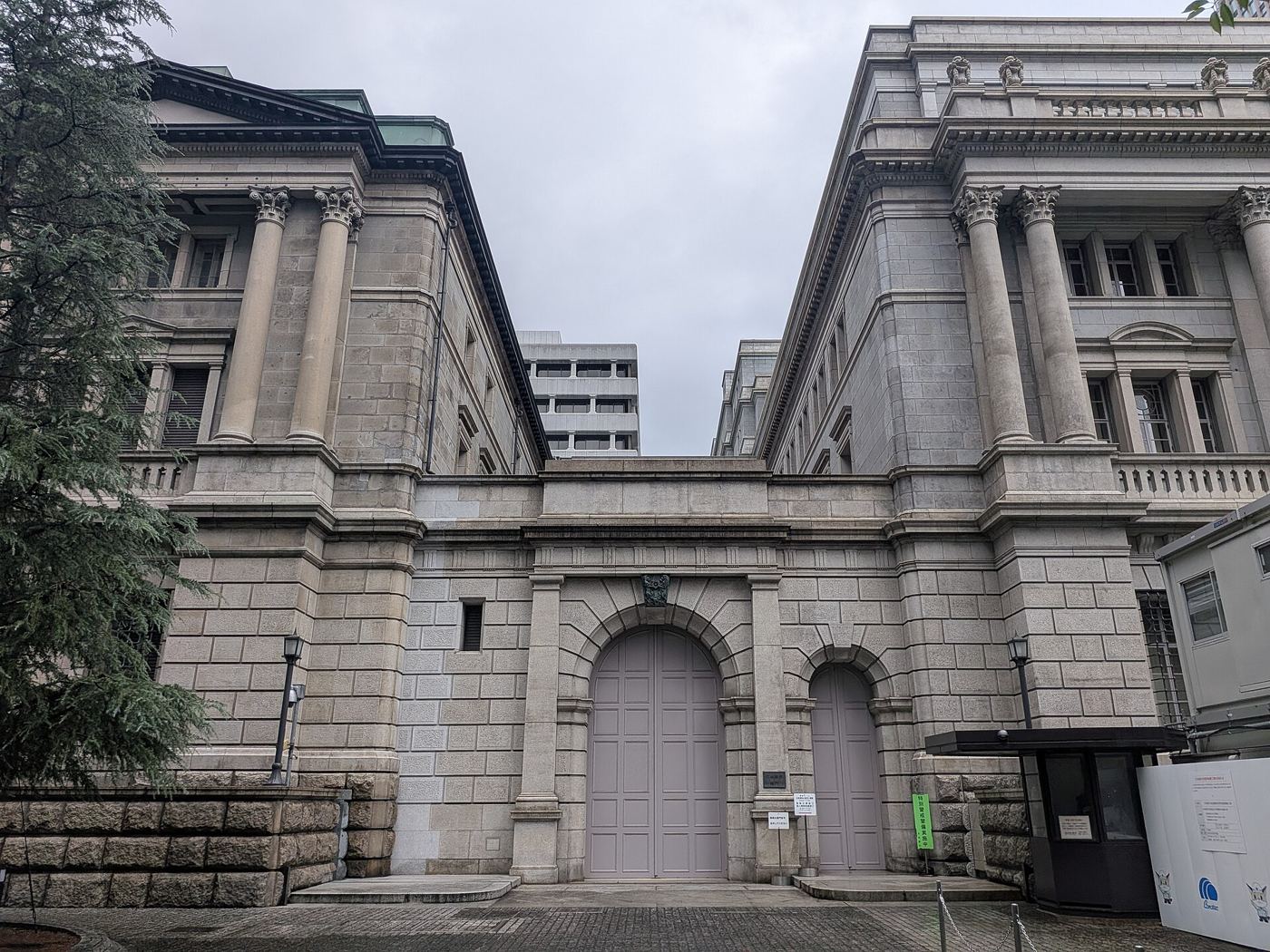
The Bank of Japan has raised interest rates to their highest level in 30 years, taking another step away from the era of near-zero borrowing costs. On 19 December 2025 the bank’s policy board voted unanimously to lift its short-term rate by a quarter point to 0.75 percent, the highest since September 1995 and the second increase of the year after one in January. Governor Kazuo Ueda said the move was justified by strong wage growth and inflation that has stayed above the bank’s 2 percent target for nearly four years. Core inflation held steady in November 2025, still well above target, while the yen’s weakness had added to the case for action. Japan spent decades fighting deflation, when prices fell year after year, and the bank kept rates at or below zero for much of that time. The return of persistent inflation has allowed it to normalise policy, slowly and carefully, in a way that would have seemed impossible only a few years ago.
What the Evidence Shows
Higher rates change the arithmetic for Japanese households and businesses. Savers, who earned almost nothing on deposits for years, finally see a return, while borrowers face dearer mortgages and business loans. A Mizuho Research estimate put the net gain to households at about 0.8 trillion yen a year, or roughly 15,000 yen per household, because Japan’s households hold far more in savings than in debt. The bigger question is what comes next: the bank has signalled more rises are possible if wages and prices keep growing, and markets are watching each meeting for the next step. For the rest of the world, Japan’s slow exit from ultra-cheap money matters because Japanese investors hold vast sums abroad, and higher returns at home could pull some of that money back. Reporting and analysis from sources such as World Bank track the same developments, and specialists following Bank of Japan rate rise say the direction is now consistent across independent lines of evidence.
The Wider Context
For households and small firms, Bank of Japan rate rise matters through prices and access rather than through market commentary. Changes at this level arrive as a rate on an offer letter, a fee on a statement or a product that quietly disappears from a comparison table. Consumer groups argue that transparency at exactly that point of decision is worth more than any amount of market-level reporting.
What Happens Next
The outlook for Bank of Japan rate rise hinges on policy choices that will be made in the open over the coming quarters. Market participants are positioned for more than one outcome, which is why the immediate reaction to each announcement has been smaller than the commentary around it. For ordinary savers and borrowers, the advice from every quarter is the same: review your own position, not the headlines. You can follow related developments in our coverage of finance.
It is also worth remembering how quickly the picture in this area has changed before. Positions that looked settled a few years ago have been revised as new data arrived, and the same humility is appropriate now. The strongest coverage of this subject, and the most useful advice, tends to come from sources that update their views openly when the facts move, rather than defending an earlier position long after it has stopped fitting the evidence available.
