


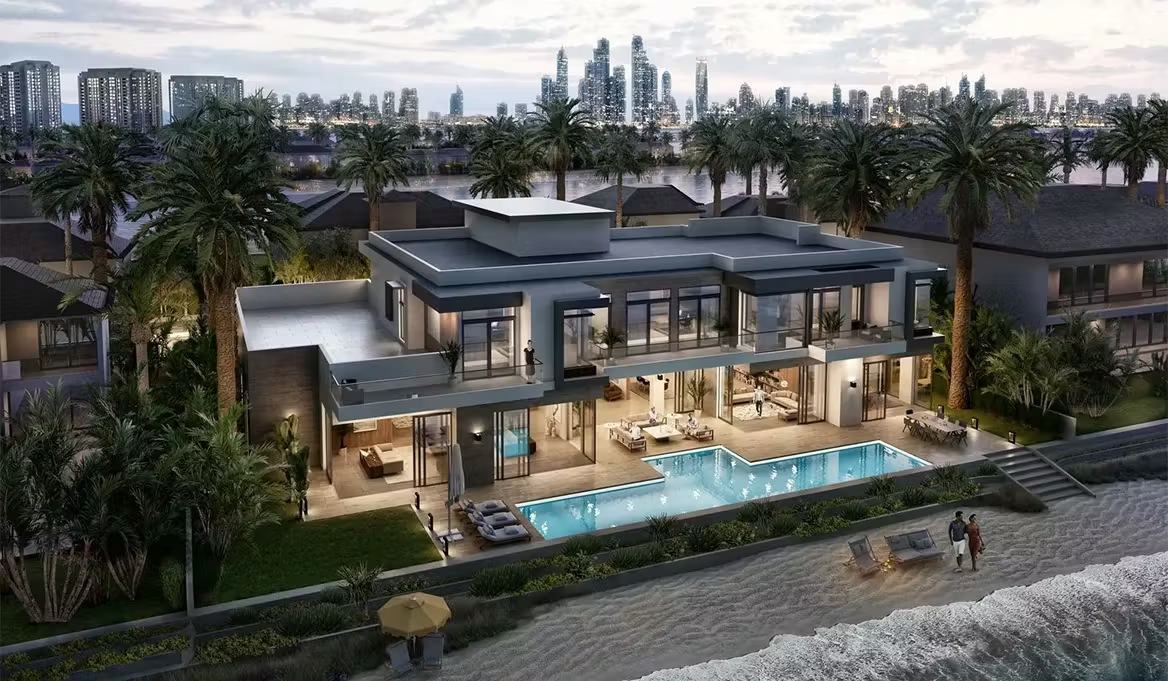
Purchasing a villa in Dubai represents more than just acquiring real estate; it embodies an investment in a lifestyle marked by exclusivity, architectural innovation, and unmatched amenities. This advanced expert analysis aims to guide prospective buyers through the multifaceted process of acquiring luxury villas in Dubai, ensuring informed decisions grounded in market realities and strategic foresight.
Pre-decision Checklist
The initial phase of buying a villa in Dubai requires thorough preparation and research. This checklist helps potential buyers establish foundational clarity before engaging with the market.
- Define Objectives and Requirements: Clarify the primary purpose of the purchase—whether as a primary residence, vacation home, or investment asset. Consider the desired villa size, number of bedrooms, architectural style, and essential amenities such as private pools or landscaped gardens.
- Budget Assessment: Analyze total financial capacity, including purchase price, taxes, maintenance costs, and potential service charges. In Dubai’s luxury segment, additional costs such as community fees or security deposits may apply.
- Research Locations: Evaluate Dubai’s prime residential areas known for luxury villas, such as Emirates Hills, Palm Jumeirah, and Arabian Ranches. Consider proximity to business districts, schools, healthcare facilities, and leisure hubs.
- Understand Legal Framework: Familiarize with Dubai’s property ownership laws, including freehold versus leasehold distinctions, and residency visa eligibility linked to property investment.
- Market Trends Analysis: Review recent Dubai villa market trends, including price trajectories, supply-demand dynamics, and upcoming development projects that may influence property values.
Evaluation Checklist
Once preliminary objectives and budget align, the evaluation phase focuses on detailed property analysis and due diligence.
- Property Valuation: Engage professional appraisers to conduct a property valuation reflecting current market conditions. Accurate valuation is essential for negotiating fair prices and assessing investment potential.
- Architectural and Design Quality: Assess the villa’s construction standards, materials used, and design features. Luxury villas in Dubai often showcase cutting-edge architecture alongside traditional elements, impacting both aesthetics and durability.
- Amenities and Facilities: Evaluate available amenities including private pools, garden spaces, security systems, and smart home integrations. Villas with private pool Dubai are particularly sought after for exclusivity and comfort.
- Community Infrastructure: Analyze the quality of infrastructure in the villa’s community, such as road access, maintenance services, green spaces, and recreational facilities. Well-managed communities enhance property value and living experience.
- Developer Reputation: When purchasing off-plan or newly constructed villas, research the developer’s track record, project delivery timelines, and post-sale support services.
- Legal and Documentation Verification: Verify property title deeds, ownership history, and absence of liens or encumbrances. Engage legal experts to ensure compliance with Dubai’s regulatory framework.
Post-decision Checklist
After finalizing the purchase agreement, several critical steps ensure a smooth transition and long-term satisfaction.
- Contract Review and Signing: Conduct a detailed review of the sale contract, including payment schedules, penalty clauses, and handover timelines. Legal counsel is essential at this stage.
- Financial Transactions: Arrange for secure and compliant fund transfers, adhering to Dubai’s financial regulations and anti-money laundering policies.
- Property Handover and Inspection: Perform a comprehensive walkthrough to confirm the villa’s condition matches contractual specifications. Document any discrepancies for rectification.
- Registration with Land Department: Complete official registration of ownership with the Dubai Land Department to formalize the transaction and secure title.
- Property Management Setup: Establish arrangements for ongoing property maintenance, security, and utility management, particularly important for investment properties or absentee owners.
- Residency Visa Application (if applicable): Utilize property ownership to apply for residency permits under Dubai’s investor visa schemes, facilitating longer stays.
Red Flags vs Green Flags
Recognizing warning signs and positive indicators can prevent costly mistakes and enhance confidence in the purchase.
- Red Flags:
- Lack of transparent documentation or delays in providing legal papers.
- Unrealistic pricing significantly below market value without clear justification.
- Developers with poor delivery records or history of litigation.
- Properties located in areas with inadequate infrastructure or pending regulatory approvals.
- Excessive maintenance fees or ambiguous community rules.
- Green Flags:
- Clear and verifiable ownership documentation.
- Competitive pricing aligned with Dubai villa market trends.
- Established developer reputation with demonstrated project quality.
- Prime location with strong community amenities and accessibility.
- Transparent communication and professional responsiveness from agents and sellers.
Conclusion
Engaging with the luxury villa market in Dubai demands a meticulous approach that balances personal aspirations with pragmatic investment considerations. By adhering to structured checklists throughout the pre-decision, evaluation, and post-decision phases, buyers can navigate the complexities of Dubai’s real estate landscape more effectively. Awareness of red and green flags further safeguards against potential pitfalls, making the acquisition of villas for sale in Dubai not only a prestigious lifestyle choice but a sound financial decision aligned with Dubai’s dynamic property market.
