


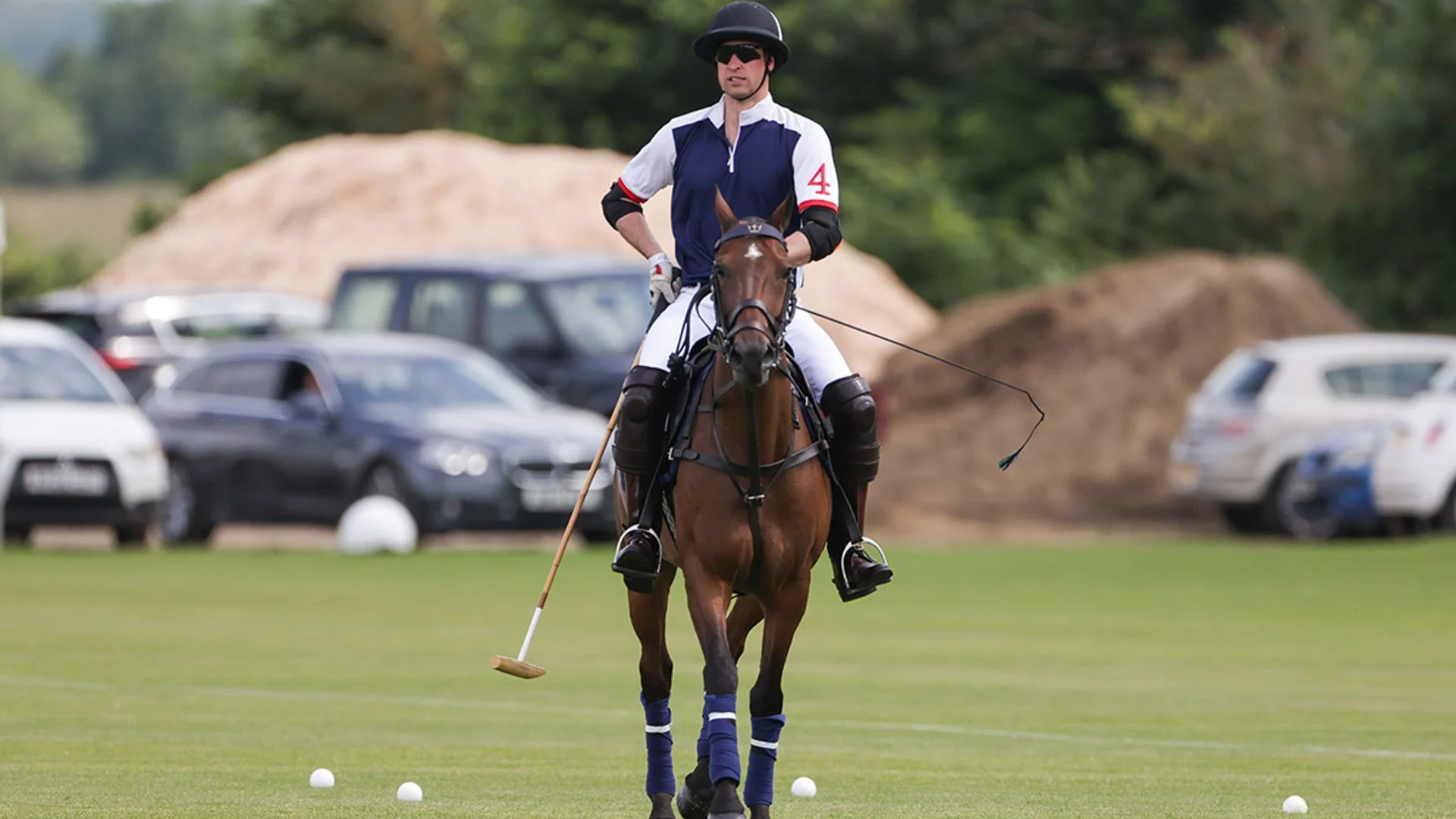
In the past and even now, royal families haven’t just lived on ceremonies and the pomp that comes with them. In between state visits, speeches, and charity work, kings and queens have always found time for hobbies: hunting in secluded forests, playing polo on perfect grassy fields, or playing cards around the table after dinner. As the years went by, those leisure activities changed along with technology and what the public expected.
Now, royal ‘off-duty’ life is under the same camera lenses and phone screens as everybody else’s. We will explore in this article how royal hobbies transitioned from being on the quiet estates to being broadcast globally and how this transition links polo fields, racecourses, poker nights, and even modern online play.
Royalty in the Public Eye: From Private Fields to Televised Arenas
For most of history, royal hobbies played out far from public view. Hunts happened deep in royal forests, regattas were watched only by a few invited guests, and any card games stayed inside palace walls. That began to shift with radio and then television. Horse races, tennis tournaments, yachting regattas, and polo matches started to appear on screen, often with a royal in the stands or even on the team sheet, turning personal interests into shared national events.
Once cameras arrived, leisure quietly became part of the royal brand. Images of a monarch cheering at the races, serving on a grass court, or riding in a charity polo match helped soften formal public images and connect them to ordinary fans. These appearances showed royalty not just as distant figures in regalia but as people who also follow form guides, worry about weather on race day, and celebrate a last-minute goal.
For the audience, sport plus royal presence added another ingredient: stakes. For generations, spectators have placed small wagers on big race days or cup finals where royals are known to appear. Today that experience is often mediated through a phone rather than a paper slip; curious readers can see how a typical mobile betting interface is laid out, starting here, while they follow the same televised events. In that sense, royal hobbies now sit at the crossroads of tradition, broadcast media, and second-screen fandom, blending old rituals with modern ways of watching and playing along.
Royals Off-Duty: Modern Hobbies in a Digital Age
While royal family members of today are still engaging in horse riding, skiing, and team sports, the surroundings have changed. Through charity runs, cycling events, and exhibition matches, they can keep fit while, at the same time, contributing to the raising of money and awareness for their chosen causes; hence, a workout in the morning can be a royal engagement as well. Moreover, spending time outdoors on the mountain, the trails, or the sports ground is a way of presenting an image that is not only healthier but also more relatable, unlike the never-ending line of formal receptions.
Away from cameras, quieter hobbies do a different kind of work. Reading, music, painting, gardening, and photography give structure to off-duty hours and reveal a “human” side when shared in interviews or official social posts. Younger generations have also grown up with digital downtime: video games, streaming series, and scrolling social media are as familiar as polo once was. That mix of old and new hobbies mirrors how many people now live – part tradition, part screen, all folded into a single, very public life.
Cards, Poker Nights and the Rise of Digital Play
Card games have been part of court life for centuries. Bridge, whist, and later poker offered a controlled way to relax, talk politics, and test each other’s nerve without leaving the drawing room. Over time, poker in particular slid into the modern social calendar as a backdrop for charity tournaments and low-key evening gatherings, more about conversation and light competition than dramatic high-stakes legends.
Today, the same impulse shows up in digital form. Many adult fans of cards and sports mix live events, home games, and quite mobile sessions into the same week. A typical pattern might look like:
- Casual poker or card nights with friends at home.
- Charity tournaments are tied to galas or fundraising events.
- Friendly low-stakes play on a phone while watching televised sports.
- Occasional online tournaments followed as spectator entertainment.
In all of these settings, the appeal is similar: familiar rules, a mix of luck and skill, and a social thread running through it. Royal hobbies around cards have simply evolved with the times, reflecting a wider culture where traditional games now live comfortably alongside apps, streams, and second-screen play.
Tradition, Screens and What Royal Hobbies Say About Us
Look at royal pastimes over time, and a pattern emerges. Hunting grounds became televised race days, private polo fields turned into charity fixtures, and quiet card tables now share space with streaming, gaming, and online betting. Each shift tracks a broader change in how everyone spends spare time.
Royal hobbies are less about rarefied rituals and more about a slightly polished version of everyday leisure: sport, stories, cards, and screens. That is why they remain fascinating to watch. They show how even the most traditional households adapt to new media and technologies while still reaching for the same core goals – relaxation, connection, and a break from duty.
