


Introduction
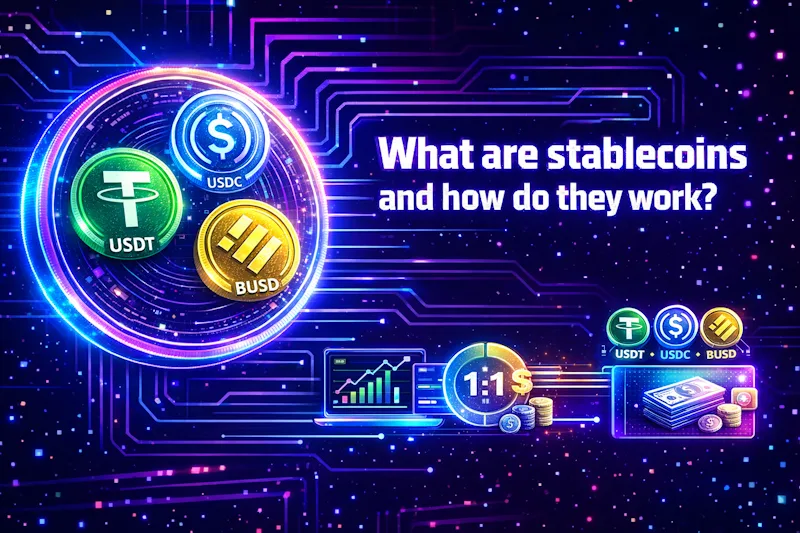
Stablecoins have become an important part of the digital asset market because they can provide users with a cryptocurrency designed to track the value of a traditional currency. USDT, commonly known as Tether, is one of the most widely used stablecoins and is often used for trading, transfers, portfolio management, and moving value between different crypto assets. For users exploring CoinYatra.com, understanding how USDT works and how to manage it responsibly can make the overall crypto experience easier to navigate. Rather than treating stablecoins as simply another cryptocurrency, users should understand their purpose, wallet management, transfers, swaps, security, and transaction records before using them regularly.
CoinYatra.com can be considered within a broader crypto management routine where users may need to buy, hold, transfer, swap, or sell supported digital assets. The key to effective stablecoin management is not simply completing transactions quickly but understanding what happens at each stage. USDT may be useful for reducing exposure to the price movements of some cryptocurrencies, but it still involves blockchain, platform, transaction, and market-related considerations. Users should review available services, applicable fees, transaction limits, verification requirements, and current platform terms before using any crypto service. A clear understanding of these basics can help create a more organized approach to managing USDT and other digital assets.
Understanding USDT and Its Role in Crypto Management
USDT is a stablecoin intended to maintain a value close to the United States dollar. Unlike cryptocurrencies that can experience large price movements, stablecoins are designed around a different use case. Many crypto users use USDT as a way to hold digital value while remaining within the cryptocurrency ecosystem. It can also be used when moving between different digital assets, depending on the networks and services supported by a platform. This makes USDT particularly relevant to users who want flexibility without converting between crypto and traditional currency every time they change their trading position.
For someone using CoinYatra.com, understanding the purpose of USDT is important before deciding how much to hold or where to transfer it. USDT can exist on different blockchain networks, and the network selected for a deposit or withdrawal needs to match the network supported by the receiving destination. Sending an asset through an incompatible network can create serious transaction problems. Users should therefore read the deposit and withdrawal instructions carefully, confirm the supported network, check the destination address, and review the amount before approving a transaction. These simple checks are part of responsible cryptocurrency wallet management.
Managing USDT Through a Crypto Wallet
A crypto wallet is central to managing USDT because it allows users to receive, store, and send digital assets. On a platform such as CoinYatra.com, wallet functionality can help users keep track of supported cryptocurrency balances and manage transactions from their account. A wallet balance is more than a number shown on a screen; it represents digital assets that may be moved through blockchain transactions. Users should therefore understand the difference between available balance, transaction status, and completed blockchain activity when managing their funds.
Security should be treated as a basic part of wallet management rather than something users think about only after a problem occurs. A strong, unique password and available two-factor authentication can provide additional protection for an account. Users should never share passwords, authentication codes, recovery information, or private wallet details with another person. It is also important to verify the receiving address before sending USDT because blockchain transfers can be difficult or impossible to reverse after confirmation. Taking a moment to check transaction details can prevent avoidable errors and make the overall CoinYatra.com experience more secure and organized.
Buying, Swapping, and Transferring USDT
USDT can be used in several ways depending on the services available to a user. Someone may acquire USDT using a supported fiat payment method, receive it from another wallet, or obtain it by exchanging another cryptocurrency. A user may also decide to swap USDT for another supported asset when their goals change. Each transaction should be considered separately because exchange rates, network charges, platform fees, minimum amounts, and processing conditions can vary. Reviewing the transaction information before confirmation is therefore an important part of stablecoin management.
Crypto swaps can be useful when a user wants to move between assets without first converting everything into traditional currency. For example, a person holding USDT may decide to exchange some of it for Bitcoin or another supported cryptocurrency. CoinYatra.com may serve as part of this broader asset-management process where supported services allow users to manage different cryptocurrencies through one account. However, users should not assume that every asset, network, or transaction method is available at all times. They should check current platform information before initiating a swap or transfer and make sure the selected asset and network are appropriate for the intended transaction.
USDT Security and Transaction Verification
Stablecoin management requires attention to both account security and transaction verification. Scammers may attempt to imitate exchanges, wallets, customer support teams, or other crypto users in order to obtain sensitive account information. Users should be cautious with unexpected messages, suspicious links, and requests for passwords or authentication codes. Legitimate transaction processes should be followed through the platform’s official interface, and users should avoid making important decisions based solely on messages or screenshots provided by another person. A screenshot showing a supposed payment is not the same as confirming that funds have actually reached an account.
When using P2P services, transaction verification becomes especially important. A seller should confirm that the expected payment has been received through the appropriate financial account before releasing digital assets according to the platform’s process. Similarly, buyers should carefully review payment instructions and order details before completing a transaction. CoinYatra.com users should remain aware of the difference between a pending transaction and a completed transaction and should keep relevant order information for future reference. Good security habits reduce operational mistakes and help users maintain better control over their digital assets.
Keeping USDT Records and Understanding Costs
Keeping accurate records can make cryptocurrency management much easier over time. USDT users may complete several types of transactions, including purchases, deposits, withdrawals, swaps, transfers, and sales. If these activities are not recorded, it can become difficult to understand the history of an account or calculate the value involved in different transactions later. Useful records can include the date, asset, quantity, transaction rate, applicable fee, wallet address where relevant, and transaction or order reference. Organized records can also help users answer questions about their own crypto activity when reviewing their finances.
Costs are another important part of managing USDT. A transaction may involve a platform fee, network fee, exchange-rate difference, or another applicable charge depending on the service being used. Users should not assume that the displayed asset price represents the total cost of a transaction. Before using CoinYatra.com or any other crypto platform, users should review the current fee schedule and service conditions. Tax and regulatory treatment can also differ depending on the user’s country and circumstances, so users who need formal financial or tax guidance should consult a qualified professional rather than relying on general online information.
Building a Practical USDT Management Routine
A consistent routine can help users manage USDT with greater clarity. Before buying or transferring stablecoins, users should identify the purpose of the transaction, check the amount, confirm the network, and review the expected costs. Before a swap, they should examine the quoted conversion rate and estimated amount received. Before a withdrawal, they should carefully verify the destination address and supported network. These steps may seem simple, but they are valuable because cryptocurrency transactions rely heavily on accurate information and user confirmation.
CoinYatra.com can fit into this approach as users manage their digital assets through buying, selling, wallet activity, swaps, and other supported crypto services. The goal should be to create a process that is understandable and repeatable rather than making decisions based on urgency or online trends. USDT may offer useful functionality within the crypto ecosystem, but it is not completely free from risk. Stablecoin users still need to consider platform security, blockchain network conditions, transaction errors, regulatory requirements, and the specific terms of the service they use. Careful checking at every stage can support better digital asset management.
Conclusion
USDT management becomes easier when users understand that a stablecoin is part of a larger cryptocurrency ecosystem rather than simply a digital version of cash. From acquiring USDT and checking wallet balances to completing swaps, sending transfers, reviewing fees, and maintaining transaction records, every stage requires attention. Users should also remember that blockchain transfers can be difficult to reverse, so verifying addresses and networks before confirming a transaction is essential. Strong passwords, two-factor authentication, careful communication, and secure account habits provide another important layer of protection.
For users considering CoinYatra.com, the most practical approach is to learn how each supported feature works before using it for real transactions. Reviewing fees, limits, verification requirements, supported networks, and current platform terms can help users make informed decisions. CoinYatra.com can be part of an organized crypto workflow for users managing USDT and other supported digital assets, but convenience should always be combined with careful verification. By understanding stablecoin basics and developing consistent security and record-keeping habits, users can approach USDT management with greater awareness and control.
