


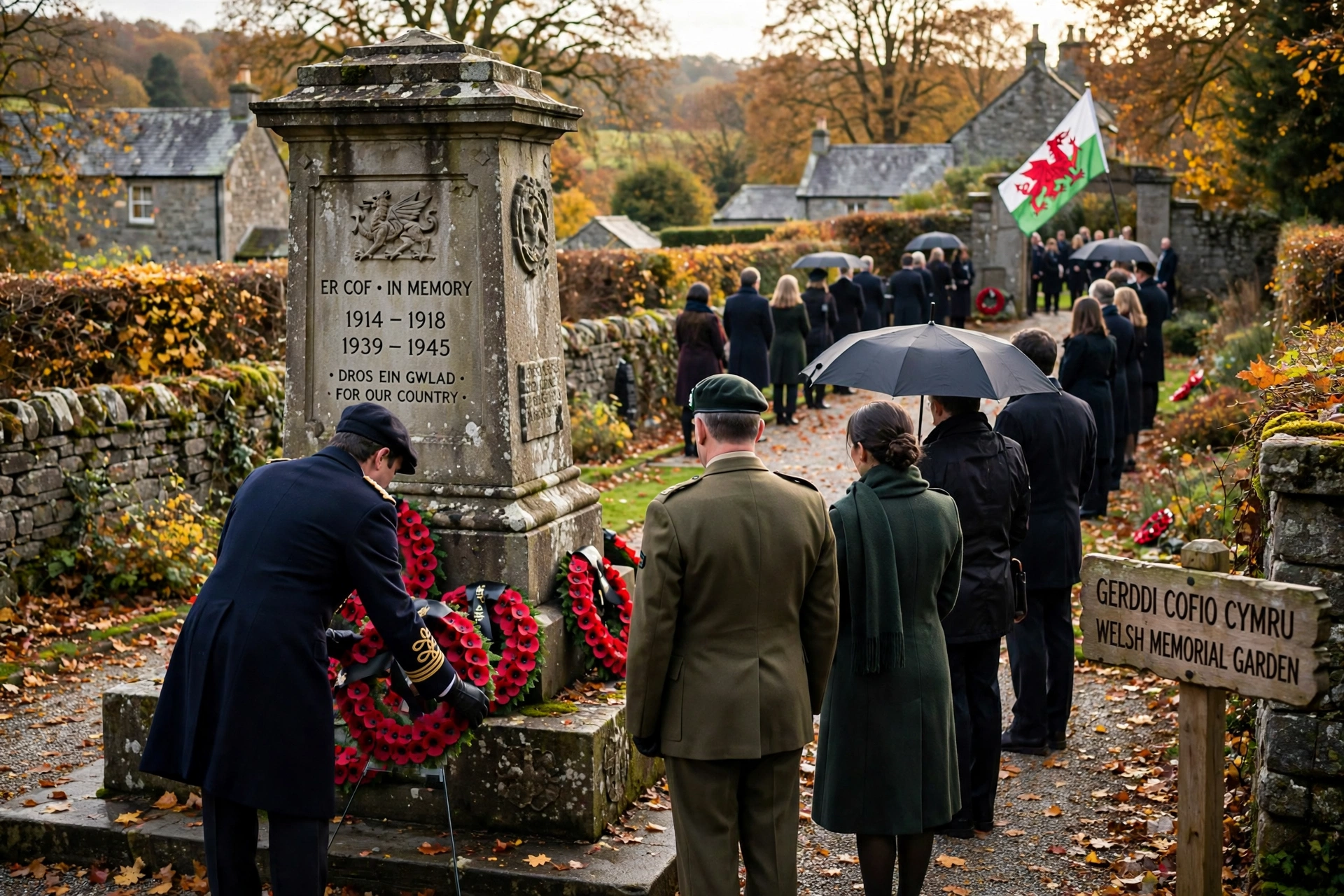
King Charles III, Queen Camilla and the Prince of Wales will travel to South Wales next week for a joint engagement marking sixty years since the Aberfan disaster, one of the most painful chapters in modern Welsh history. The visit, announced by the Palace, will bring the three most senior working royals together at the Aberfan Memorial Garden and the Aberfan and Merthyr Vale Community Centre on Wednesday, 21 October.
The date carries deep significance. On 21 October 1966, a colliery spoil tip above the village of Aberfan gave way after heavy rain, sending a wave of slurry down the mountainside. It engulfed Pantglas Junior School, twenty houses and a farm, killing 144 people, among them 116 children. The disaster reshaped British industrial safety law and left a mark on the national conscience that has never faded.
A Visit Shaped by Remembrance
According to the announcement, the King, Queen and Prince William will spend time at the memorial garden, which stands on the site of the school, and meet members of the community whose lives were shaped by that morning six decades ago. Bereaved families, survivors and local residents are expected to be part of the commemorations, alongside representatives of the charities and community groups that still sustain the village.
Royal visits to Aberfan have a long and emotionally charged history. The late Queen Elizabeth II visited the village in the days after the disaster and returned several times during her reign. Her delayed first visit was later described, including by the Queen herself, as one of the great regrets of her reign, and she made a point of returning, most notably for the fiftieth anniversary commemorations in 2016. Charles, who was Prince of Wales for more than sixty years, also knows the community well.
Palace officials say the King has particularly asked to meet a man who, as a six-year-old schoolboy, was photographed with the late Duke of Edinburgh when Prince Philip visited the village the day after the tragedy. The boy and his siblings survived; many of their classmates did not. Moments like that meeting explain why this engagement is being treated as far more than a routine entry in the royal diary.
Why the Joint Appearance Matters
Joint appearances by the King, Queen and the Prince of Wales remain relatively rare, and their use here underlines the weight the Palace attaches to the anniversary. As we have explored in our coverage of how royal heritage became an economic engine, the monarchy’s ceremonial presence still draws national attention to places and causes that might otherwise struggle for it. In Aberfan’s case, that attention is directed at memory rather than celebration.
The visit also fits a broader pattern in the modern royal calendar. Commemorations of industrial and wartime loss have become central to the institution’s public role, and the presence of three generations of senior royals at such events is intended to signal continuity: the promise that the country will keep remembering, made by a family that has itself kept returning. Reporting on the announcement, including coverage by The News International, has highlighted how the engagement honours the late Queen’s own connection to the village.
A Community That Still Carries the Story
Aberfan today is a quiet village of terraced streets beneath green hills, but the disaster remains woven into its identity. The memorial garden, maintained with meticulous care, and the memorial Coventry Cathedral window and the children’s graves on the hillside above the village draw visitors from around the world. Survivors and relatives have spent decades campaigning, first for accountability and the removal of the remaining tips, and later to make sure the story is taught to new generations.
Local schools now study the disaster as part of Welsh history, and the sixtieth anniversary has prompted new oral-history projects recording the memories of those who were there. For families, the royal visit is welcome precisely because it keeps the focus where they want it: on the 144 people who died, and on the community that refused to let them be forgotten.
As with the changing public role we traced in how younger royals are redefining public life, the Aberfan engagement shows the institution doing what it has long done best: turning up, listening, and lending its presence to an act of national remembrance. Sixty years on, that presence still matters to the people of one small Welsh village.
