


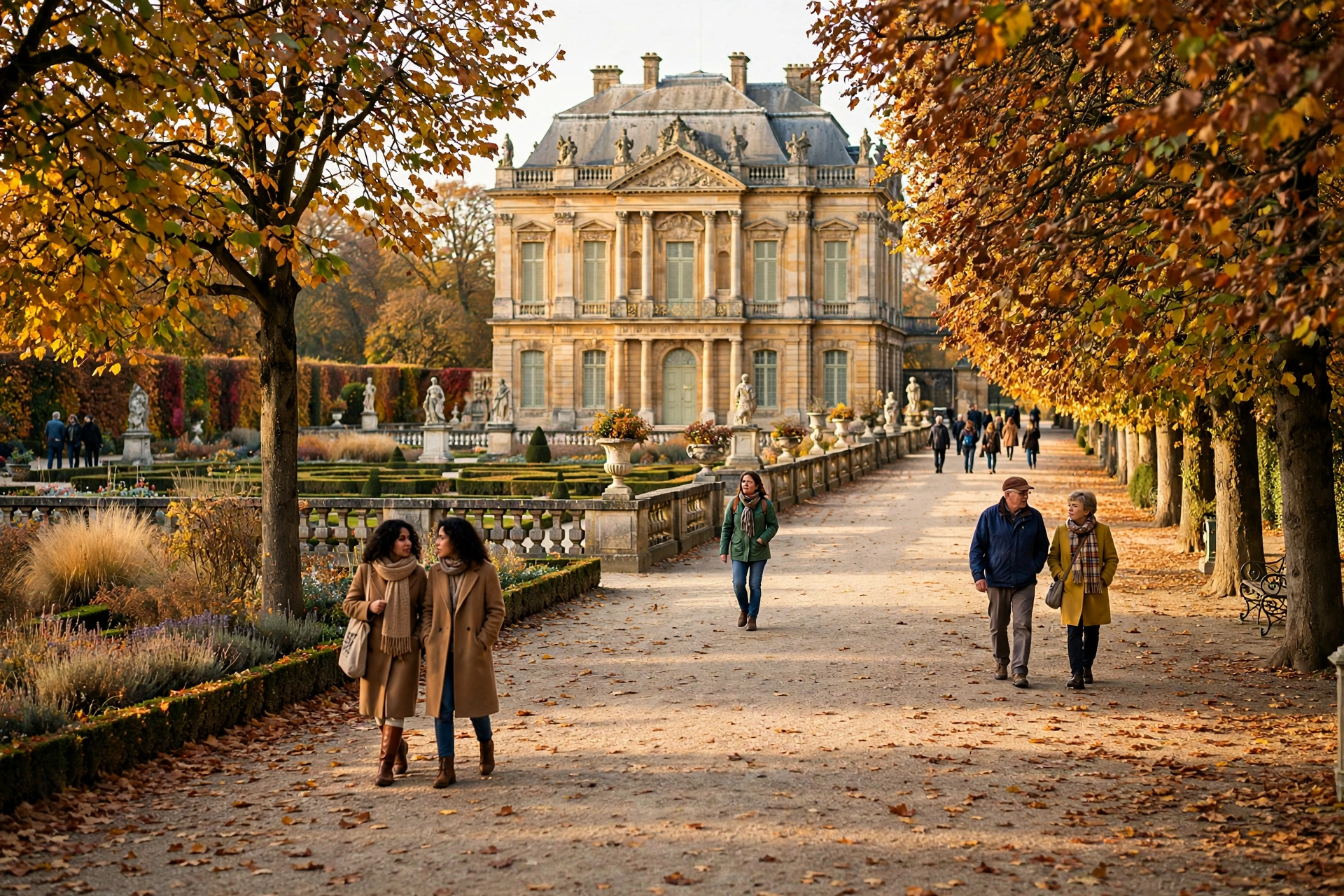
Royal palaces were built to project power, not to turn a profit. Yet in 2026, the residences of monarchs have quietly become some of the most dependable earners in the heritage economy. Ticket sales, exhibitions, gift shops and garden tours attached to royal sites now support thousands of jobs, and the towns around them plan their calendars around the visitor seasons those palaces create.
The shift did not happen by accident. Over the past two decades, royal households have professionalised the way they open their doors, treating historic residences less like private homes that occasionally admit guests and more like cultural institutions with a public mission and a balance sheet.
From Ceremony to Visitor Economy
The numbers explain the change. Major royal residences in London and Windsor draw visitors in the millions each year, and a large share of them are international tourists who also spend on hotels, restaurants and transport nearby. The Royal Collection Trust, which manages public access to the official residences of the King, channels its admissions and retail income into conserving the Royal Collection itself, one of the largest and most important art collections in the world. Heritage, in other words, now pays for its own upkeep.
The same model operates at palace sites run by Historic Royal Palaces, the charity responsible for landmarks including the Tower of London and Hampton Court Palace. Its sites operate without regular government funding, which means every exhibition, membership and retail sale directly finances conservation work on buildings that would otherwise depend on the taxpayer.
The People Behind the Turnstiles
A palace that opens to the public is a small city of workers. Wardens, conservators, gardeners, archivists, retail staff and event teams all depend on the visitor economy, and much of the most essential work happens out of sight. Our look at the night staff who keep royal palaces running after dark showed how security teams, cleaners and engineers keep these buildings functioning long after the last tour group leaves.
Seasonal employment matters too. Summer opening at the great residences creates hundreds of temporary roles, many of them first jobs for students, while exhibitions and state occasions bring in specialist contractors. For local economies, a palace is an anchor employer that does not relocate.
Fashion, Film and the Wider Halo
The economic reach extends well beyond the ticket desk. A single outfit worn by a senior royal can move markets, as we explored in our analysis of the quiet economics of royal fashion: designers sell out of pieces within hours, and small British labels gain global exposure they could never buy. Film and television productions shot at historic locations add another revenue stream, paying location fees while advertising the sites to future visitors.
Local businesses feel the effect most directly. Cafés, hotels and tour operators cluster around palace gates because royal tourism is unusually predictable: the state rooms open on published dates, the changing of the guard runs to a timetable, and anniversary years reliably produce spikes in demand that businesses can plan around.
Balancing Access and Conservation
Success brings strain. Footfall wears stone floors and stresses fragile interiors, so site managers cap numbers, rotate which rooms are open and invest admission income in conservation science. The tension between welcoming more visitors and protecting the buildings is now the central management question at every major royal site.
What is clear is that the model works. By treating palaces as working cultural assets rather than frozen monuments, royal households and heritage charities have built an economy that funds preservation, employs thousands and anchors tourism in the towns around them. The palaces were built to display wealth. Their modern achievement is generating it, steadily, for the communities outside their gates.
