


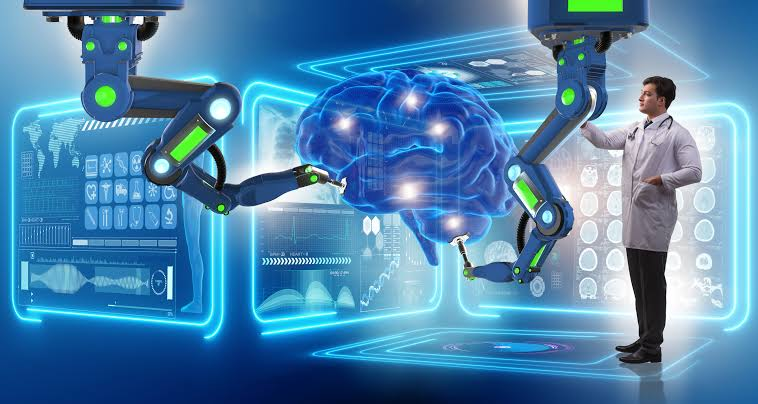
The relationship between technology and medicine has undergone a profound transformation in recent years. Smart equipment, digital systems, and artificial intelligence-based tools are helping healthcare professionals analyze information more quickly, identify diseases at early stages, and offer more personalized treatments to patients.
One of the major advances lies in the use of algorithms capable of interpreting vast amounts of medical data. Intelligent systems can analyze medical tests, recognize patterns, and assist specialists in identifying potential abnormalities. Although the final decision still rests with the professionals, these tools serve as vital support in making diagnoses more accurate and efficient.
Technology is also changing how patients track their own health. Smartwatches and connected devices can monitor metrics such as heart rate, sleep quality, and physical activity levels. This data provides a more comprehensive view of an individual’s habits and can help prevent health issues before they become serious.
The growth of digital solutions has further expanded access to various services and platforms. The internet hosts environments catering to diverse needs—including information, communication, and entertainment tools, as well as specialized spaces like 20Bet, which are part of the wide array of experiences available online.
Another significant advancement is telemedicine. Consultations conducted via digital platforms allow patients to interact with healthcare professionals without the need for long commutes. This technology has become particularly important for expanding care to remote regions and facilitating the continuous monitoring of treatments.
Hospitals and clinics are also adopting automated systems to improve resource management. Intelligent software assists with inventory control, medical record organization, and appointment scheduling. With more efficient processes in place, professionals can dedicate more time to patient care.
Despite these benefits, the digitization of healthcare requires special attention to information security. Medical data is highly sensitive and must be protected against unauthorized access. Investments in encryption, access control, and privacy policies are essential to ensure that technology is used safely and responsibly.
In the coming years, the convergence of artificial intelligence, robotics, and data analytics is expected to bring further advancements to medicine. New treatments, faster diagnoses, and personalized solutions could improve the quality of life for millions of people. Healthcare technology represents one of the greatest opportunities for innovation, bridging scientific knowledge and digital tools to build a more efficient and accessible future.
