


Measles is back in the American health headlines after confirmed cases rose by 8 per cent in a single week, bringing the national total to 4,410. For a country that declared the disease eliminated in 2000, any sustained rise deserves attention, and federal health officials are tracking the clusters closely. At the same time, specialists are keen that the figures are read proportionately: this is a warning light worth acting on, not a return to the era when measles was a routine and sometimes deadly part of childhood.
The drivers behind the increase are well understood. Measles is among the most contagious viruses known, able to linger in the air of a room after an infectious person has left it. International travel regularly brings the virus back into the country, and it spreads fastest in communities where vaccination rates have fallen below the roughly 95 per cent coverage needed to stop transmission. Missed childhood appointments during and after the pandemic, together with persistent misinformation about the MMR jab, have left exactly the pockets of susceptibility in which outbreaks take hold.
Symptoms parents should know
The illness tends to announce itself gradually. A rising fever, cough, runny nose and red, watery eyes come first, often looking like an ordinary heavy cold. Small white spots can appear inside the cheeks, and after a few days the familiar blotchy rash emerges, usually beginning around the hairline before spreading over the body. Most children recover fully with rest and fluids, but complications such as pneumonia and ear infections are common enough, and serious outcomes do occur, which is why doctors take every suspected case seriously.
Anyone who thinks they or their child may have measles is advised to telephone their doctor or clinic before attending in person, so staff can arrange a safe way to assess them. The guidance published by the CDC on measles sets out the position clearly: two doses of the MMR vaccine are about 97 per cent effective, protection is long-lasting, and catching up on a missed dose is straightforward at any age. Officials are particularly urging families to check records ahead of international travel.
Why proportion matters in the response
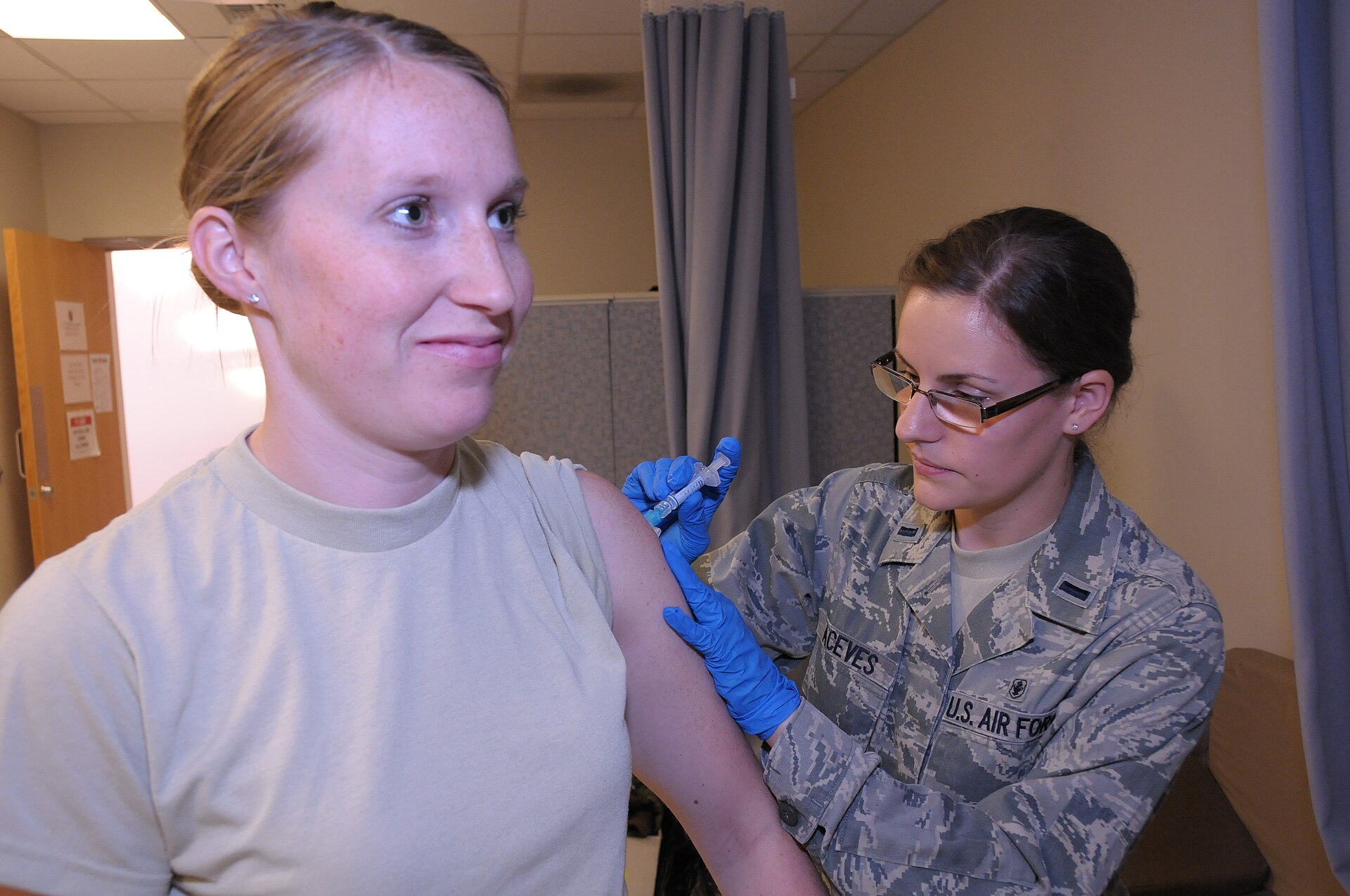
Public health teams responding to the current clusters are using familiar, targeted tools: vaccination sessions in affected neighbourhoods, quick tracing of contacts, and temporary exclusion from school for exposed children who are not vaccinated, because people can spread measles before the rash appears. None of this requires alarm. Our recent health coverage, including early results from a personalised ovarian cancer vaccine trial, underlines the same lesson from the other direction: modern vaccines are among the most studied and effective tools medicine has, and they work best when uptake stays high in ordinary times.
There is historical perspective worth holding on to. In the years before routine vaccination, measles infected an estimated three to four million Americans annually and killed several hundred, many of them young children. Widespread immunisation turned it into a rarity within a generation. Today’s total of 4,410 cases, while a clear step in the wrong direction, sits in a completely different world from that past, and health agencies publish weekly figures precisely so that small problems are dealt with while they are still small.
Clinics in the affected areas say the most common question from parents is simply whether their child is covered. In most cases the answer is quickly found in an immunisation record, a patient portal or a call to the family doctor, and a missing dose can usually be given the same week. Health workers emphasise that there is no need to restart a vaccine course if one dose was delayed; the schedule simply picks up where it left off.
For readers outside the United States, the practical takeaway is simple housekeeping rather than worry. Check that your family’s vaccinations are up to date, be alert to the early symptoms after travelling, and take health advice from official sources rather than social media. An 8 per cent weekly rise sounds dramatic, and officials are right to respond early and visibly, but the story of measles in 2026 is still mainly a story about coverage gaps that can be closed, one appointment at a time.
