


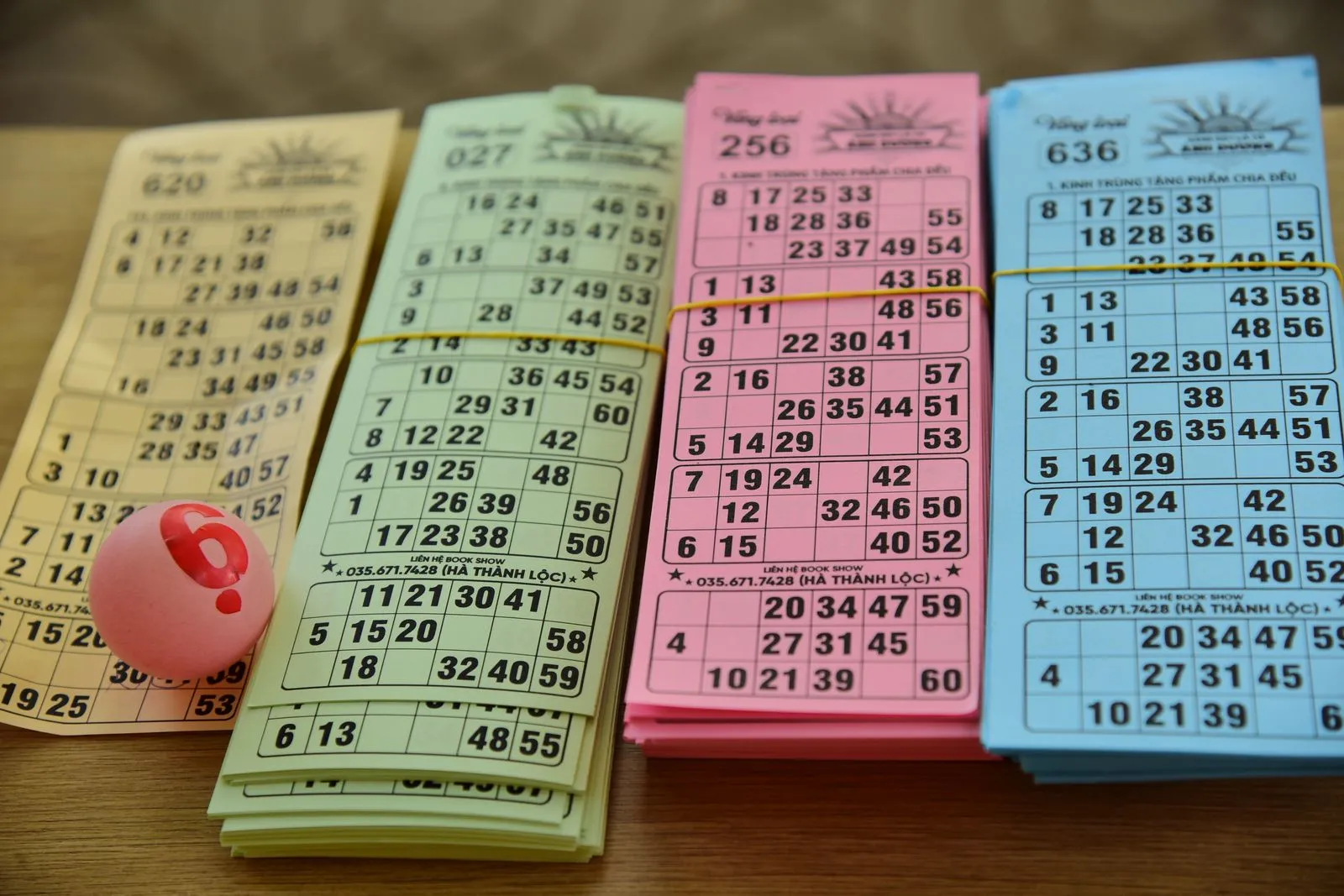
For one week in October 2026, a lottery game became a national event. Powerball’s jackpot for the Wednesday, October 14 drawing reached $562 million, the kind of sum that fills petrol-station queues and office sweepstakes, and the excitement rolled straight into the next drawing on Saturday, October 17.
How the Week Built
Jackpots of this size are built slowly, then suddenly. Powerball draws three times a week, and whenever nobody matches all six numbers the prize rolls over, enlarged by a slice of ticket sales from across 45 states and other participating territories. Weeks of rollovers did the slow work; the headlines of the final days, and the surge of casual buyers they attracted, did the rest.
As always, the headline figure is the annuity value, payable in 30 instalments over 29 years. The cash alternative is a single lower sum. Players can check official results, and the current jackpot, at Powerball.com.
The Numbers Behind the Noise
The odds of a jackpot win on one ticket are 1 in 292.2 million; the odds of winning any prize are about 1 in 24.9. Big weeks do not improve those odds, but they do change the cast of players, pulling in millions of occasional participants for whom the ticket is less an investment than a ticket to a shared national daydream.
After the Draw
For any winner, officials repeat a well-worn script: sign the ticket, keep it safe, mind the claim deadline in the state of purchase, and take legal and tax advice before going public. For the rest of us, the advice is simpler: spend only entertainment money, beware of the scam messages that trail every big draw, and enjoy the spectacle for what it is.
We recap stories by their evidence as much as their excitement, whether it is a lottery run or research, such as our report on how Phones Out of Classrooms: Grades Rise in 16,000-Student Study.
Winners Big and Small
Jackpot weeks quietly create thousands of smaller winners: tickets matching four or five numbers pay out meaningful sums, and even the $4 and $7 tiers put a little back into millions of pockets. Those prizes rarely make news, but they are the reason the overall odds of winning something sit near 1 in 25 rather than in the hundreds of millions.
Lotteries also remind players after every draw to check tickets bought earlier in the run. Secondary prizes from the first draws of a long rollover sequence are the ones most often forgotten in glove compartments and coat pockets, and unclaimed prize funds are eventually redirected according to each state’s rules.
There is a rhythm to these weeks that regular observers recognise: the slow build as the prize passes each hundred-million mark, the peak of attention on draw day, and the quiet morning after, when attention moves on and only the winners, if there are any, remain in the story. October’s run followed the pattern faithfully, with the added distinction of falling in a season when several US state lotteries were reporting strong overall sales.
In the end, a jackpot week is a shared ritual as much as a gambling event. Colleagues who never discuss lotteries swap imaginary spending plans; strangers compare numbers in queues; and for a few days a single figure, $562 million, becomes common conversational currency across the country. The October edition delivered that ritual in full, whatever the final numbers on Saturday night turned out to be.
When the October run eventually ends, it will leave behind the usual trail of smaller winners, a few very large cheques, and a jackpot clock reset to $20 million, ready to start the slow climb all over again.
